
- Home
- Products
- Company
- Solutions
- Advantages
- Blog
- Contact
- Hot
Views: 0 Author: Site Editor Publish Time: 2026-03-10 Origin: Site


Producing high-quality brass wire using EDM (Electrical Discharge Machining) wire drawing machines is a critical process in modern wire manufacturing. Wire breakage during production can significantly impact productivity, cost, and quality, making it a primary concern for factory managers and engineers. Understanding the underlying causes of wire breakage and implementing effective strategies to reduce it is essential for maintaining operational efficiency and minimizing downtime.
This article explores the most common causes of wire breakage in EDM brass wire drawing, the physics behind the process, practical methods to prevent it, and the role of advanced technologies and production data in optimizing wire drawing operations. It also compares manual versus automatic wire drawing machines and provides actionable insights for factories aiming to achieve consistent wire quality and high throughput.
EDM brass wire drawing is a precision metal forming process that reduces the diameter of brass wire while maintaining its mechanical and electrical properties. The process combines:
Mechanical tensioning: Pulling the wire through precision dies to achieve the desired diameter
EDM principles: Using controlled electrical discharge to improve surface finish and reduce residual stresses
This process requires careful control of wire speed, tension, lubrication, and die conditions to avoid wire breakage.
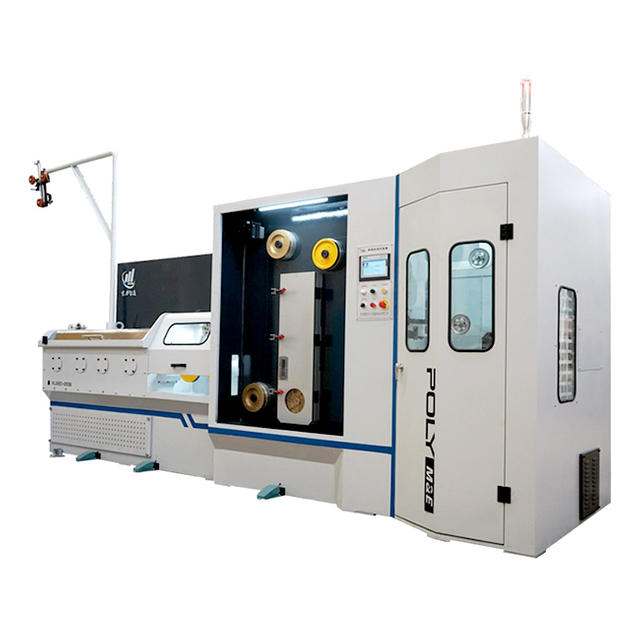
Key components that influence wire integrity include:
Wire Feeding Mechanism: Ensures smooth entry of brass wire into the die.
Drawing Dies: Reduce wire diameter while maintaining roundness.
Tension Control System: Maintains consistent force along the wire to prevent snapping.
EDM Control Unit: Regulates discharge parameters to maintain wire surface integrity.
Cooling and Lubrication System: Reduces friction and prevents overheating.
Take-Up System: Collects the drawn wire while maintaining proper tension.
Each component plays a crucial role in preventing wire breakage, and production data from these systems can be analyzed to identify and mitigate risks.
Wire breakage in EDM brass wire drawing can occur due to mechanical, operational, and material factors. Understanding these causes is the first step toward reducing incidents and improving factory efficiency.
Tension that is too high can cause the wire to snap during drawing. Factors influencing tension include:
Incorrect tension settings on manual or automatic machines
Uneven wire feeding
High drawing speed
Maintaining consistent tension is critical to prevent overstressing the wire.
Misalignment of drawing dies increases friction and creates stress points on the wire. Causes include:
Poor machine calibration
Worn or damaged dies
Operator error during setup
Proper die alignment ensures smooth wire passage and reduces the likelihood of breakage.
Pre-existing imperfections in brass wire, such as scratches, cracks, or inclusions, can become failure points under tensile stress. Material inspection and quality control before drawing are essential.
Lubrication reduces friction between the wire and the die. Insufficient lubrication can lead to localized heating and stress, causing wire snapping. Factors include:
Low-quality lubricants
Improper application
Cooling system failures
Excessive heat generated by friction or EDM discharge can reduce the ductility of brass wire. Overheated wire becomes brittle and prone to breakage. Proper cooling and careful control of EDM parameters are essential.
High drawing speeds increase wire tension and friction, increasing breakage risk. Conversely, very low speeds may cause non-uniform stretching and surface imperfections. Optimal speed depends on wire diameter, alloy composition, and machine type.
In manual EDM wire drawing machines, human error during tension adjustment, die alignment, or lubrication can lead to wire failure. Skilled operators are critical for maintaining process stability.
Humidity, temperature, and vibrations in the factory environment can affect wire properties and machine performance, indirectly contributing to wire breakage.
Analyzing production data can pinpoint the reasons for wire breakage:
Tension logs: Track force applied to the wire during drawing
Die wear and lubrication data: Identify periods of increased friction
Wire speed monitoring: Detect deviations from optimal drawing speed
Breakage frequency and location: Reveals recurring failure points
Automatic EDM machines often generate real-time monitoring data, making it easier to diagnose and prevent wire failures.
Use sensors and automated feedback systems to maintain consistent wire tension
Avoid sudden changes in tension during drawing
Calibrate machines regularly to maintain tension accuracy
Inspect dies for wear and damage before operation
Align dies precisely using manufacturer guidelines
Use die alignment monitoring tools where available
Inspect raw brass wire for cracks, inclusions, or scratches
Implement quality standards for incoming materials
Use wire cleaning and deburring processes before drawing
Apply high-quality lubricants compatible with brass alloys
Ensure cooling systems maintain optimal temperatures
Monitor friction levels to detect lubrication issues early
Adjust speed according to wire diameter and machine specifications
Avoid sudden accelerations or decelerations
Conduct trial runs when switching wire alloys
Train operators on best practices for tension, die alignment, and lubrication
Provide guidelines for troubleshooting and breakage prevention
Encourage regular review of production data to improve performance
Schedule preventive maintenance for dies, rollers, and EDM units
Replace worn components before they cause wire breakage
Maintain accurate maintenance logs to identify recurring issues
Advantages: Greater flexibility for custom wire sizes, lower upfront cost
Disadvantages: Higher labor requirements, more prone to human error, inconsistent production data
Advantages: High throughput, consistent quality, automated monitoring of tension, speed, and die wear
Disadvantages: Higher initial investment, requires specialized technical support
Production data from automatic machines can alert operators to early signs of breakage, such as tension spikes, die wear, or abnormal speed fluctuations.
A small factory producing specialty brass wires with manual EDM machines experienced frequent wire breakage. Analysis revealed:
Inconsistent tension applied by operators
Uneven die lubrication
Minor surface defects in raw wire
Implementation of strict tension guidelines, improved lubrication, and pre-inspection of wire reduced breakage by 40%.
A high-volume facility using automatic EDM wire drawing machines collected production data on:
Wire diameter consistency
Tension fluctuations
Die wear
Breakage location
Adjustments based on real-time monitoring reduced breakage rates by 70% and increased throughput by 30%.
Wire breakage leads to:
Material waste
Downtime during repairs
Increased labor costs for troubleshooting
Reducing breakage improves ROI, throughput, and operational efficiency.
Automatic machines reduce dependence on skilled labor, whereas manual systems require constant operator supervision to prevent breakage.
Monitoring and maintaining optimal tension, speed, and lubrication increases die longevity and reduces energy consumption during drawing.
Integration of IoT sensors and real-time data analytics enables predictive maintenance and early detection of conditions leading to wire breakage.
Semi-automatic systems combine manual flexibility with automated monitoring for mid-scale factories producing variable wire diameters.
Optimized EDM and motor controls reduce energy consumption and improve overall efficiency.
Use of high-quality lubricants, recycled materials, and precise process control reduces scrap and environmental impact.
Wire breakage in EDM brass wire drawing can result from multiple factors including tension, die alignment, surface defects, speed, and environmental conditions. By monitoring production data such as tension, wire speed, die wear, and breakage frequency, factories can identify root causes and implement effective strategies to reduce wire failure.
Manual EDM machines are suited for low-volume, custom production but require skilled operators to maintain quality, while automatic machines offer consistent output, real-time monitoring, and higher throughput. Selecting the right machine and using production data to guide operations are key to minimizing wire breakage, improving efficiency, and maximizing ROI.
For professional EDM brass wire drawing machines and guidance on factory implementation, contact Zhangjiagang Poly Intelligent Equipment Co., Ltd. Their machines deliver reliability, precision, and efficiency for both manual and automatic wire drawing operations.
Q: What are the main causes of wire breakage in EDM brass wire drawing?
A: Common causes include excessive tension, die misalignment, wire surface defects, overheating, improper lubrication, and operator error.
Q: How can factories reduce wire breakage?
A: Implement proper tension control, die alignment, lubrication, speed optimization, operator training, and regular maintenance.
Q: Do automatic EDM machines reduce wire breakage compared to manual ones?
A: Yes, automatic machines maintain consistent tension, speed, and monitoring, reducing human error and breakage.
Q: What production data is useful for preventing wire breakage?
A: Wire tension, drawing speed, die wear, surface quality, breakage location, and throughput data are critical for analysis.

 English
 简体中文
简体中文

