
- Home
- Products
- Company
- Solutions
- Advantages
- Blog
- Contact
- Hot
Views: 351 Author: Site Editor Publish Time: 2026-01-27 Origin: Site


The rapid evolution of automotive electrification, power infrastructure upgrades, and new energy technologies has significantly increased demand for high-performance alloy wires. These wires must meet strict requirements for strength, conductivity, fatigue resistance, and dimensional accuracy. At the core of this capability lies the alloy wire drawing machine, a specialized production system designed to transform alloy rods into precision wire products with consistent mechanical and electrical properties.
Across automotive, power, and new energy industries, manufacturers rely on advanced wire drawing technologies to achieve scalable output, process stability, and material efficiency. Understanding how different industries apply alloy wire drawing solutions reveals why machine configuration, speed, precision, and automation level directly influence product performance and cost competitiveness.
In modern industrial supply chains, the alloy wire drawing machine is not simply a shaping tool but a strategic production asset. Automotive, power, and new energy sectors all depend on alloy wires that exhibit controlled tensile strength, surface integrity, and microstructural consistency. These outcomes are achieved through precise multi-pass drawing, optimized die geometry, and tightly regulated cooling and lubrication systems.
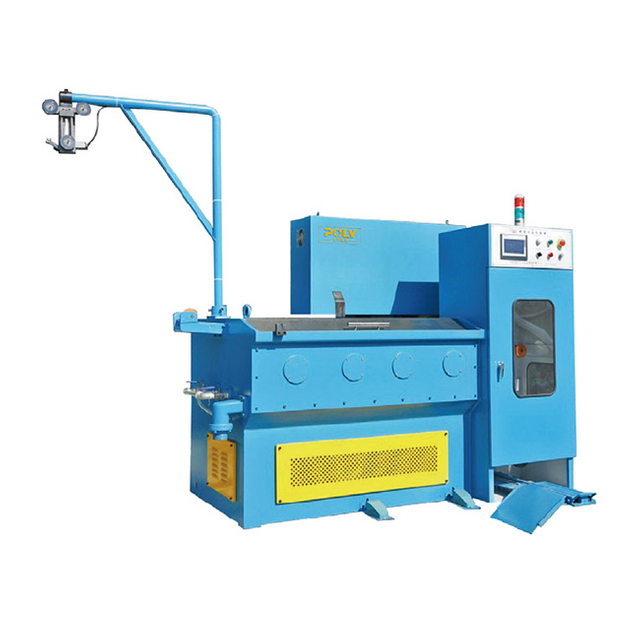
A Professional alloy wire drawing machine enables manufacturers to process a wide range of alloy materials, including copper alloys, aluminum alloys, nickel alloys, and specialty composite alloys. The ability to maintain dimensional tolerance while preserving material properties is especially critical when wires serve as load-bearing components, electrical conductors, or thermal management elements.
From a manufacturing perspective, the machine’s role extends beyond wire reduction. Integrated tension control, real-time monitoring, and modular configurations allow production lines to adapt to varying industry standards without frequent downtime. This flexibility is a key reason why alloy wire drawing equipment has become indispensable in high-value industrial applications rather than commodity wire production.
The automotive industry places exceptional emphasis on reliability, weight reduction, and electrical efficiency. In this context, High precision alloy wire drawing machines are essential for producing wires used in motor windings, sensor systems, control cables, and high-voltage connections.
Modern vehicles—especially electric and hybrid platforms—require alloy wires with extremely tight diameter tolerances and uniform surface quality. Even minor deviations can affect electromagnetic performance, thermal behavior, or long-term durability. A High-speed alloy wire drawing machine allows automotive suppliers to meet volume requirements while maintaining precision through synchronized capstans and closed-loop control systems.
Additionally, alloy wires used in automotive applications often undergo secondary processes such as annealing, coating, or stranding. Advanced drawing machines are designed to deliver stable input material for these downstream operations, reducing scrap rates and ensuring compliance with rigorous quality audits. In this way, the alloy wire drawing machine directly supports automotive manufacturers’ goals of cost control, lightweight design, and system reliability.
The power industry relies heavily on alloy wires for transmission, distribution, and internal equipment wiring. These applications demand a balance between mechanical strength and electrical conductivity, making process control during drawing especially critical. A Professional alloy wire drawing machine provides the necessary stability to produce wires capable of operating under high loads, elevated temperatures, and long service cycles.
Power cables, transformer windings, and grounding systems all require consistent metallurgical properties across large production batches. Variations in elongation or surface defects can lead to premature failure or efficiency losses. For this reason, power industry manufacturers favor drawing machines with advanced lubrication management, precise reduction ratios, and robust structural design.
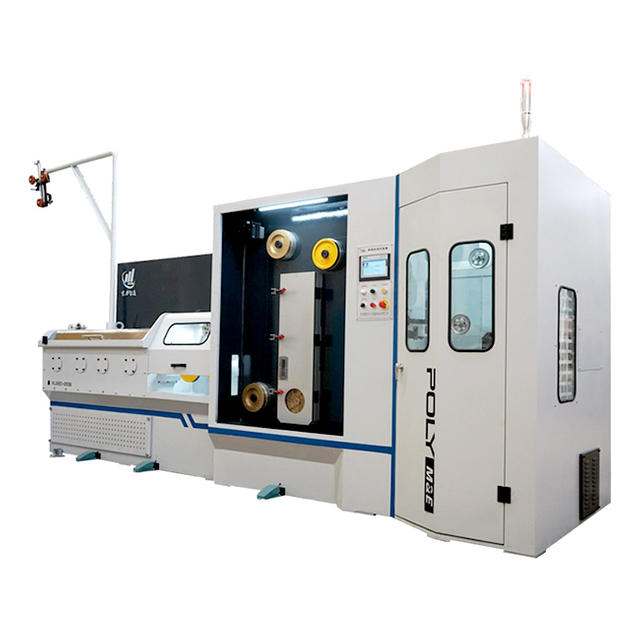
Another key factor is scalability. Power infrastructure projects often require rapid increases in output without sacrificing quality. Automatic alloy wire drawing machines enable continuous operation with minimal operator intervention, ensuring consistent performance even during extended production runs. This automation reduces labor dependency while improving traceability and process repeatability across critical power applications.
The global expansion of renewable energy and electrification has created unprecedented demand for alloy wires used in batteries, energy storage systems, charging infrastructure, and power electronics. In the new energy sector, High-speed alloy wire drawing machines play a crucial role in meeting both volume and performance expectations.
Battery packs, inverter systems, and charging modules rely on alloy wires that combine conductivity with thermal and mechanical stability. Drawing machines designed for new energy applications often integrate enhanced cooling and tension control to prevent microcracks or residual stress, which can compromise long-term reliability.
Furthermore, new energy manufacturing emphasizes efficiency and sustainability. Modern alloy wire drawing machines are engineered to minimize material waste, reduce lubricant consumption, and support energy-efficient operation. These characteristics align with the environmental objectives of the new energy industry while supporting rapid scaling as global demand continues to rise.
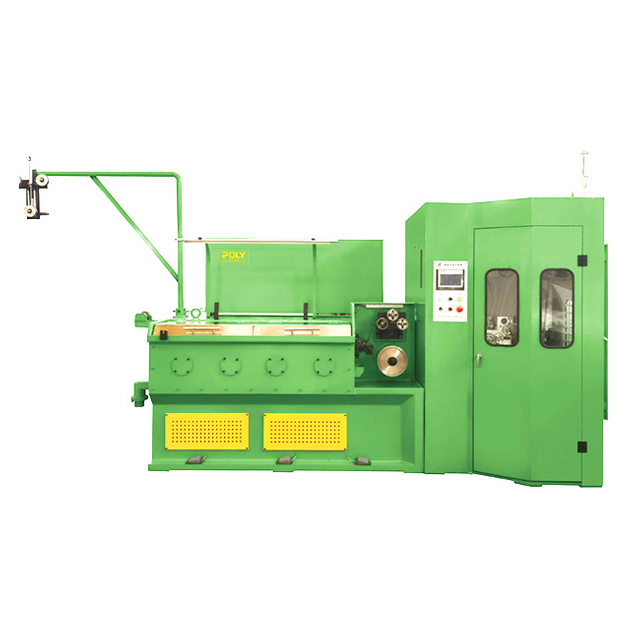
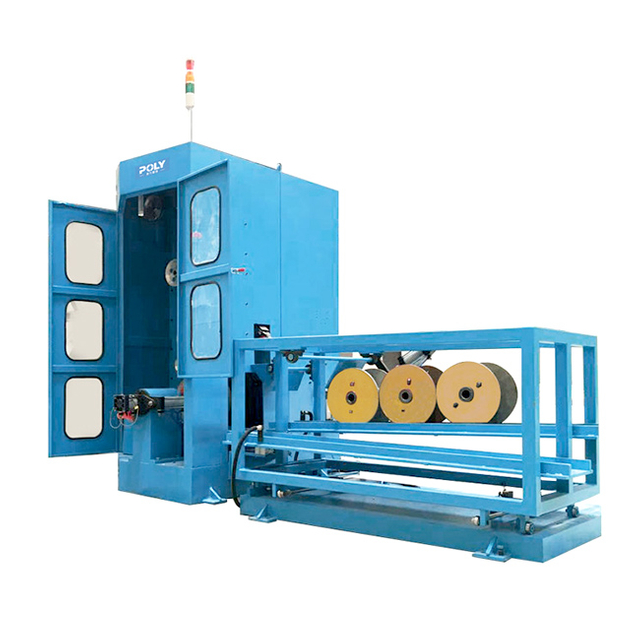
Selecting between Vertical alloy wire drawing machines and Horizontal alloy wire drawing machines depends largely on industry-specific production needs. Vertical configurations are often preferred in environments with limited floor space or when processing fine-diameter wires requiring precise gravity-assisted tension control.
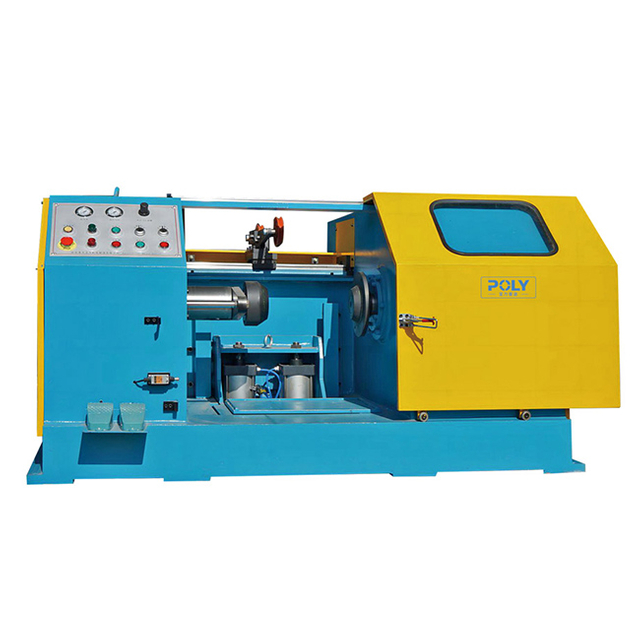
Horizontal machines, by contrast, are commonly used for larger-diameter or higher-strength alloy wires found in power and automotive structural applications. Their layout supports longer drawing paths and higher pulling forces, making them suitable for demanding reduction schedules.
Across automotive, power, and new energy sectors, manufacturers evaluate machine orientation based on wire diameter range, alloy type, production speed, and integration with upstream or downstream equipment. Both configurations, when properly selected, enhance the performance and adaptability of the alloy wire drawing machine within complex industrial production lines.
| Industry Sector | Key Wire Requirements | Preferred Machine Features | Typical Machine Type |
|---|---|---|---|
| Automotive | Tight tolerance, lightweight, fatigue resistance | High precision, high-speed control | Horizontal / Automatic |
| Power | High conductivity, mechanical stability | Professional, continuous operation | Horizontal |
| New Energy | Thermal stability, scalability, efficiency | High-speed, automatic systems | Vertical / Automatic |
This comparison highlights how application requirements directly influence alloy wire drawing machine selection and configuration across industries.
The applications of the alloy wire drawing machine across automotive, power, and new energy industries demonstrate its central role in modern industrial manufacturing. From enabling precision automotive components to supporting large-scale power infrastructure and accelerating new energy deployment, advanced wire drawing technology delivers measurable value in performance, efficiency, and scalability.
As industry requirements continue to evolve, manufacturers increasingly rely on High precision, Automatic, and High-speed alloy wire drawing machines to maintain competitiveness and meet stringent technical standards. Understanding application-specific demands is essential for selecting the right equipment and achieving long-term production success.
Q1: Why is an alloy wire drawing machine preferred over standard wire drawing equipment?
Because alloy materials require stricter control over tension, reduction ratio, and surface quality, which specialized machines are designed to provide.
Q2: Which industry benefits most from high-speed alloy wire drawing machines?
The new energy sector benefits significantly due to its need for large-scale, efficient, and consistent wire production.
Q3: Are automatic alloy wire drawing machines suitable for all industries?
Yes, especially where production stability, labor reduction, and consistent quality are critical, such as automotive and power applications.
Q4: How does machine orientation affect wire quality?
Vertical and horizontal designs influence tension control, space utilization, and suitability for different wire diameters and alloy types.


 English
 简体中文
简体中文

