
- Home
- Products
- Company
- Solutions
- Advantages
- Blog
- Contact
- Hot
Views: 315 Author: Site Editor Publish Time: 2026-01-20 Origin: Site


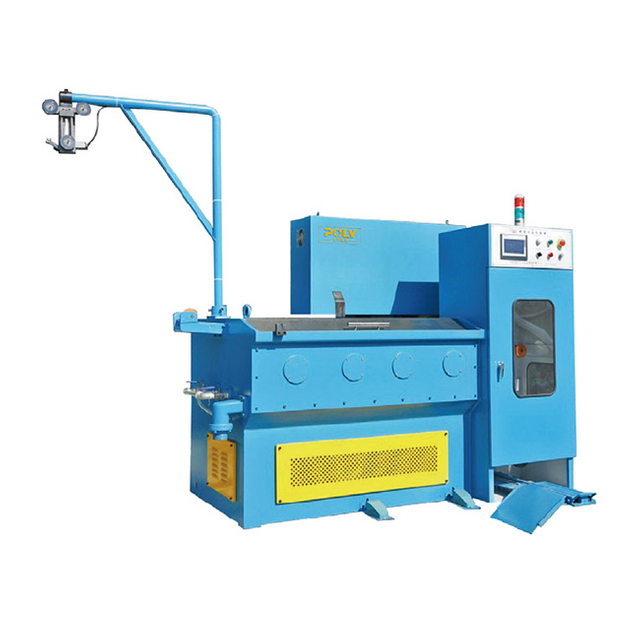
Selecting the right alloy wire drawing machine is a strategic decision that directly influences production efficiency, wire quality, operational stability, and long-term manufacturing costs. Alloy wire processing is inherently more complex than standard carbon steel drawing due to higher strength, variable ductility, and stricter dimensional tolerances. A well-matched machine not only supports stable output but also minimizes downtime, die wear, and energy consumption. This guide focuses on practical evaluation criteria, helping manufacturers align machine capabilities with real production needs rather than generic specifications.
A clear definition of production requirements is the foundation for choosing the correct alloy wire drawing machine. Production volume, wire diameter range, final tolerance expectations, and continuous operation time all determine whether a machine will support or restrict growth. High-volume production environments often require a High-speed alloy wire drawing machine capable of maintaining stability under continuous load, while smaller batch or specialty alloy production may prioritize flexibility over speed.
Another critical factor is reduction ratio per pass. Alloys with higher tensile strength often require multi-pass drawing with precise tension control. Selecting a machine that supports adjustable capstan speed, optimized cooling, and stable lubrication systems ensures consistent wire quality across long production cycles. Ignoring these requirements often results in frequent wire breaks, excessive die consumption, and inconsistent mechanical properties.
Production planning should also consider future scalability. Choosing a Professional alloy wire drawing machine with modular expansion options allows manufacturers to adapt to changing product demands without replacing the entire system. Proper requirement analysis prevents both over-investment and under-performance.
Different alloy compositions place unique mechanical and thermal demands on wire drawing equipment. Stainless steel, nickel-based alloys, copper alloys, and aluminum alloys each require specific drawing forces, cooling efficiency, and surface protection. A suitable alloy wire drawing machine must accommodate variations in hardness, elongation, and work-hardening behavior.
For hard or heat-sensitive alloys, machines with advanced cooling channels and optimized die alignment significantly reduce thermal deformation. A High precision alloy wire drawing machine is especially important when producing wires for electrical, aerospace, or medical applications where diameter deviation must remain minimal.
Lubrication compatibility is another overlooked factor. Certain alloys react poorly to standard lubricants, increasing friction and surface defects. Machines designed for alloy processing typically allow flexible lubrication system integration, ensuring smoother drawing and improved surface finish. Matching machine configuration to alloy behavior directly improves yield rates and reduces post-processing costs.
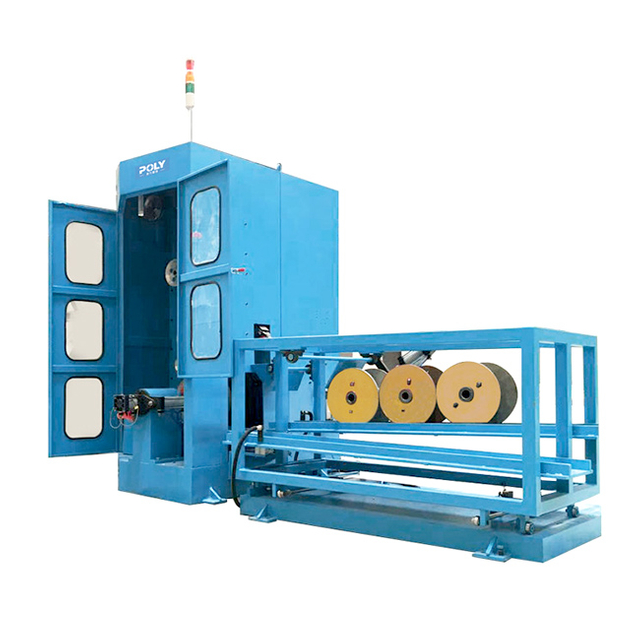
The structural layout of an alloy wire drawing machine plays a significant role in operational efficiency, safety, and factory layout optimization. Vertical alloy wire drawing machine designs are often favored when floor space is limited, offering gravity-assisted wire handling and reduced footprint. They also provide improved wire alignment for fine-diameter alloy wires.
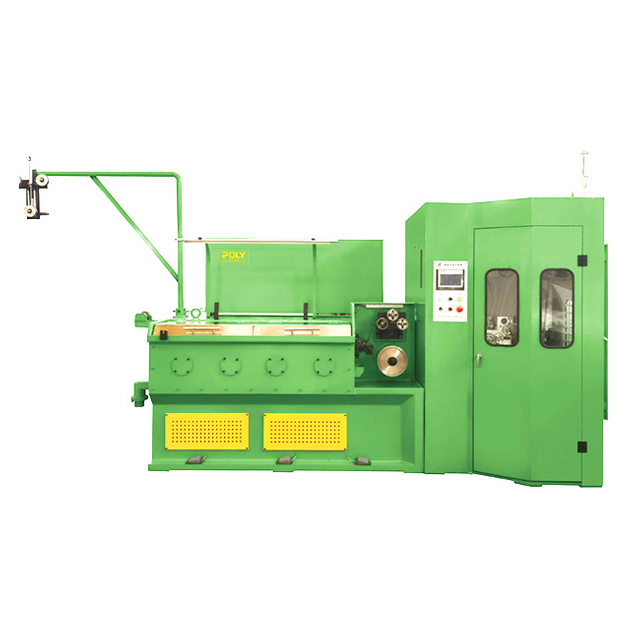
In contrast, Horizontal alloy wire drawing machine configurations offer easier maintenance access and are well suited for larger wire diameters or heavy-duty alloy processing. Horizontal layouts allow better integration with upstream and downstream equipment such as annealing lines or coilers.
Below is a practical comparison to support structural selection:
| Machine Structure | Key Advantages | Suitable Production Scenarios |
|---|---|---|
| Vertical | Space-saving, stable wire path | Fine alloy wires, limited floor space |
| Horizontal | Easy maintenance, high load capacity | Thick alloy wires, heavy-duty operation |
Selecting the right structure ensures smooth material flow, reduced handling errors, and improved workplace safety.
Performance evaluation goes beyond maximum speed ratings. A true High-speed alloy wire drawing machine maintains consistent tension, minimal vibration, and thermal stability even at elevated line speeds. Poor speed control often leads to surface cracks, uneven elongation, and frequent stoppages.
Precision is equally critical. A High precision alloy wire drawing machine incorporates synchronized motor control, precise die alignment, and real-time monitoring to maintain tight diameter tolerances. These features are essential when producing alloy wires for demanding applications such as springs, conductors, or structural reinforcement.
Energy efficiency should also be considered. Modern machines optimize motor load distribution and reduce idle power consumption, lowering operating costs while supporting sustainable manufacturing goals. Evaluating performance holistically ensures stable output without sacrificing quality.
Automation significantly influences productivity and consistency in alloy wire production. An Automatic alloy wire drawing machine reduces operator dependency by integrating programmable logic control, automatic tension adjustment, and fault detection systems. This results in fewer human errors and more repeatable wire quality.
Advanced control systems allow operators to store multiple process recipes for different alloys and wire sizes. This flexibility shortens changeover time and improves overall equipment effectiveness. Automatic monitoring of drawing force, temperature, and lubrication status also prevents unexpected downtime.
For manufacturers aiming to scale production or maintain strict quality standards, automation is not optional. It transforms the alloy wire drawing machine from a mechanical tool into an intelligent production asset.
Initial purchase price should never be the sole decision factor when selecting an alloy wire drawing machine. Long-term value depends on maintenance frequency, spare part lifespan, energy consumption, and operational reliability. Machines designed specifically for alloy processing typically offer reinforced components that withstand higher drawing stresses.
Ease of maintenance directly impacts uptime. Machines with accessible wear parts and standardized components reduce service time and labor costs. A Professional alloy wire drawing machine often includes predictive maintenance features that alert operators before failures occur.
When evaluated over the full lifecycle, a well-matched machine delivers lower cost per ton of wire produced, improved product consistency, and higher return on investment.
Choosing the right alloy wire drawing machine requires a structured evaluation of production needs, material characteristics, machine structure, performance capability, automation level, and long-term operational costs. A machine that aligns with real manufacturing conditions ensures stable output, high wire quality, and sustainable growth. By focusing on application-driven criteria rather than generic specifications, manufacturers can confidently invest in equipment that supports both current production and future expansion.
Q1: What is the most important factor when choosing an alloy wire drawing machine?
Production requirements, including wire diameter range, alloy type, and output volume, are the most critical factors.
Q2: Is a high-speed alloy wire drawing machine always better?
Not necessarily. Speed must be balanced with precision, stability, and material characteristics to avoid quality issues.
Q3: How does automation improve alloy wire drawing?
Automation increases consistency, reduces human error, shortens setup time, and improves overall efficiency.
Q4: Vertical or horizontal alloy wire drawing machine—which should I choose?
The choice depends on available space, wire diameter, maintenance preference, and integration with other production lines.
Q5: Can one alloy wire drawing machine handle multiple alloy types?
Yes, if it offers adjustable tension control, compatible lubrication systems, and programmable process settings.



 English
 简体中文
简体中文

