
- Home
- Products
- Company
- Solutions
- Advantages
- Blog
- Contact
- Hot
Views: 215 Author: Site Editor Publish Time: 2026-01-13 Origin: Site


The alloy wire drawing machine plays a critical role in modern metal processing, enabling manufacturers to transform alloy rods into high-precision wires with controlled diameter, superior surface quality, and consistent mechanical properties. As industries increasingly demand stronger, lighter, and more durable materials, alloy wire production has become a core manufacturing process. This article delivers a comprehensive, technically focused overview of the alloy wire drawing machine, covering its essential features, industrial applications, performance benefits, and operational value.
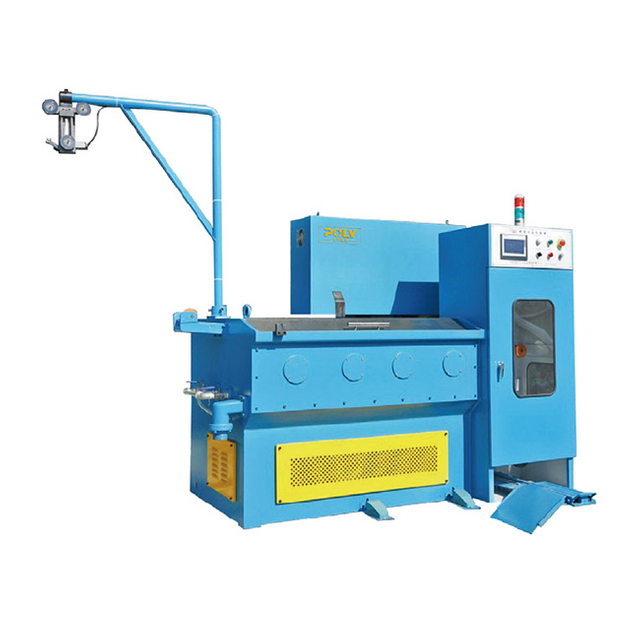
An alloy wire drawing machine is a specialized mechanical system designed to reduce the diameter of alloy metal rods by pulling them through a series of precision-engineered dies. Unlike conventional wire drawing equipment, alloy-focused systems are engineered to handle materials with higher strength, hardness, and complex metallurgical properties.
Alloy materials often contain elements such as nickel, chromium, copper, titanium, or aluminum, which significantly influence ductility, tensile strength, and heat resistance. A Professional alloy wire drawing machine must therefore deliver controlled deformation, stable drawing force, and consistent lubrication to prevent cracking, uneven elongation, or surface defects. These machines are widely used in environments where dimensional accuracy and mechanical consistency are non-negotiable.
From an operational perspective, alloy wire drawing supports high-volume production while maintaining tight tolerances. This makes the alloy wire drawing machine indispensable in sectors that require repeatable quality, such as electrical conductors, mechanical springs, aerospace components, and industrial fasteners.
A Professional alloy wire drawing machine is defined by a set of engineered features that enable it to process demanding materials reliably and efficiently. These features are not merely technical specifications; they directly impact production stability, wire quality, and operational lifespan.
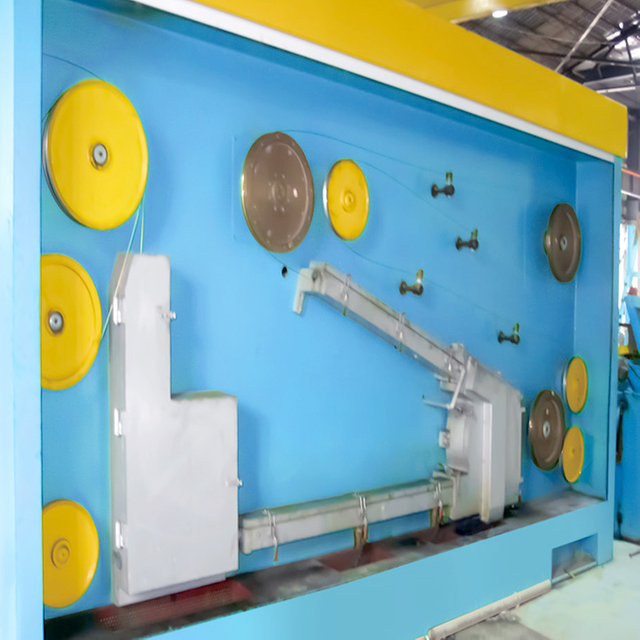
Key structural elements include reinforced machine frames that minimize vibration and maintain die alignment under high drawing loads. Precision capstans and multi-stage drawing systems allow gradual diameter reduction, which is essential when working with brittle or high-strength alloys. Advanced cooling and lubrication systems further reduce friction and heat buildup, protecting both the wire and the dies.
The table below highlights core feature categories and their functional benefits:
| Feature Category | Functional Benefit |
|---|---|
| Reinforced frame structure | Maintains dimensional stability during high-tension drawing |
| Multi-pass die system | Enables smooth reduction for hard or low-ductility alloys |
| Precision speed control | Ensures uniform wire diameter and surface consistency |
| Integrated lubrication system | Reduces friction, heat, and die wear |
| Modular design | Simplifies maintenance and process customization |
These features collectively ensure that a High precision alloy wire drawing machine can consistently deliver wire products that meet strict industrial standards.
A High-speed alloy wire drawing machine is engineered to balance throughput with precision, a critical requirement in large-scale alloy wire production. High drawing speeds improve productivity, but without accurate tension control and synchronized die operation, quality degradation becomes inevitable. Advanced systems address this challenge through intelligent speed regulation and real-time feedback mechanisms.
Precision performance is measured by the machine’s ability to maintain tight diameter tolerances, smooth surface finishes, and uniform mechanical properties across long production runs. A High precision alloy wire drawing machine uses servo-driven components, digitally controlled capstans, and optimized die geometry to achieve these results.
High-speed operation also contributes to energy efficiency by reducing idle time and maximizing material utilization. When correctly configured, the alloy wire drawing machine delivers superior output rates without increasing scrap or rework, directly improving manufacturing profitability.
The versatility of the alloy wire drawing machine allows it to serve a wide range of industries where specialized wire products are essential. Each application imposes distinct technical requirements, reinforcing the importance of adaptable machine configurations.
In the electrical and electronics sector, alloy wires are used for conductors, shielding, and connectors that require precise conductivity and thermal stability. Mechanical and industrial applications rely on drawn alloy wire for springs, cables, fasteners, and reinforcement components that must withstand repeated stress and fatigue.
In aerospace and transportation, alloy wire products demand exceptional strength-to-weight ratios and resistance to extreme environments. The alloy wire drawing machine supports these needs by enabling controlled metallurgical deformation that enhances material performance without compromising structural integrity.
These diverse applications highlight why manufacturers prioritize Professional alloy wire drawing machines capable of handling varied alloy compositions and production scales.
Selecting between a Vertical alloy wire drawing machine and a Horizontal alloy wire drawing machine is a strategic decision influenced by material characteristics, factory layout, and production objectives. Each configuration offers distinct operational advantages.
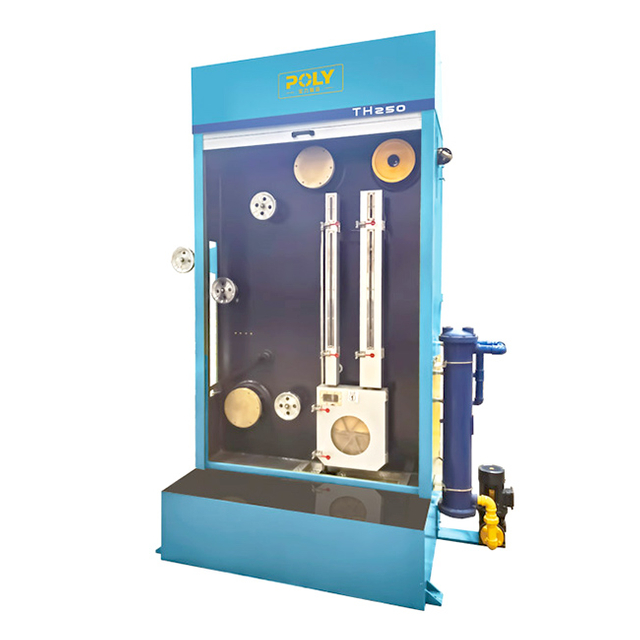
A Vertical alloy wire drawing machine is often preferred for fine or medium-diameter wires, as gravity assists in maintaining straightness and reducing wire entanglement. Vertical designs also optimize space utilization and facilitate continuous drawing processes with stable tension control.
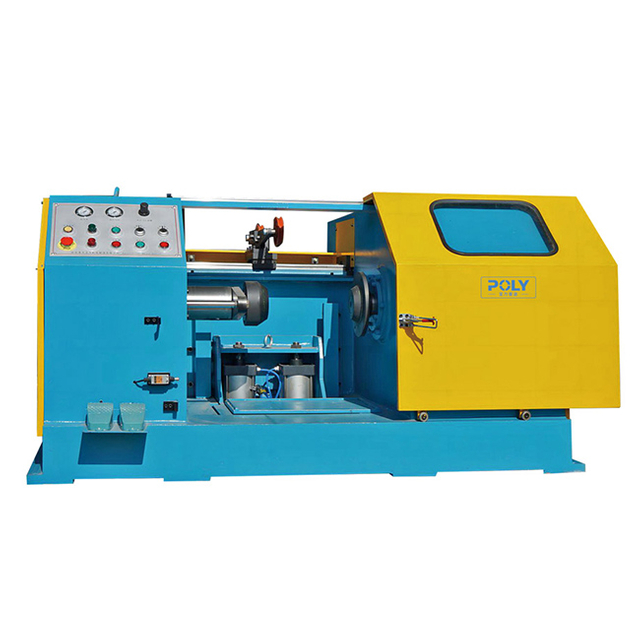
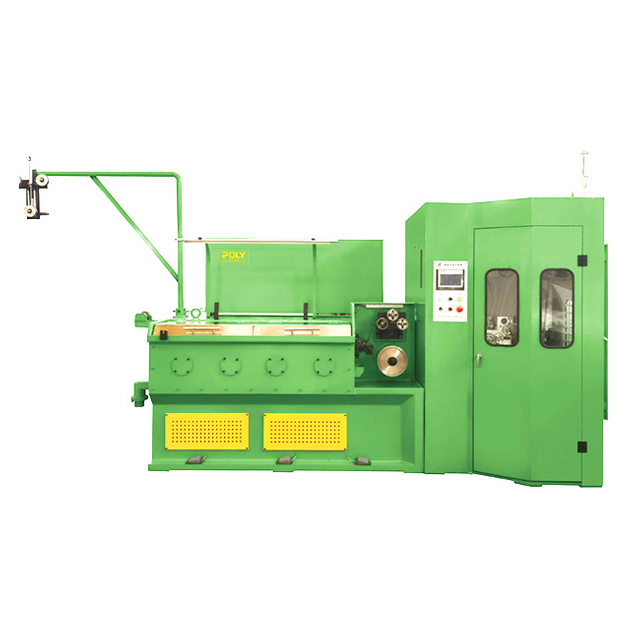
Conversely, a Horizontal alloy wire drawing machine is well-suited for heavier wires and larger diameters. Its layout simplifies handling of stiff alloy materials and supports longer drawing paths with multiple reduction stages. Horizontal systems are commonly used in high-load applications where accessibility and modular expansion are priorities.
Understanding these differences ensures the alloy wire drawing machine aligns with both technical requirements and production workflows.
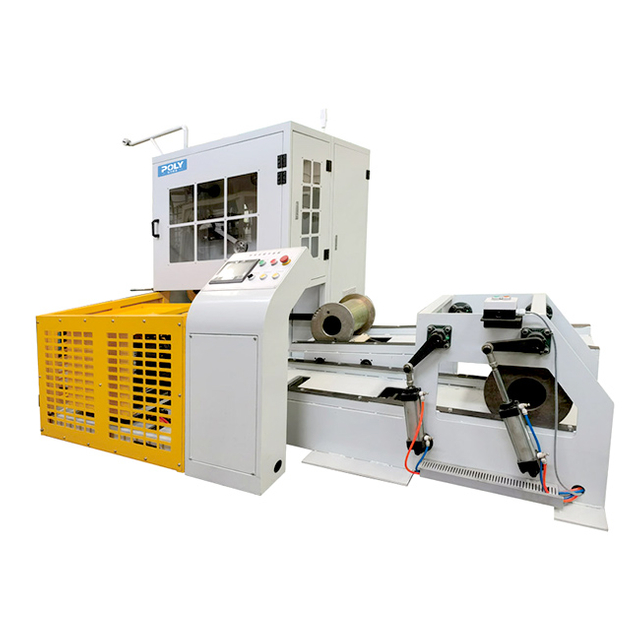
An Automatic alloy wire drawing machine integrates advanced control systems to reduce manual intervention while improving consistency and safety. Automation enhances repeatability by standardizing drawing parameters such as speed, tension, lubrication flow, and die alignment.
Automated systems enable real-time monitoring and adjustment, ensuring that deviations are corrected before they impact wire quality. This capability is especially valuable when processing complex alloys that are sensitive to temperature and deformation rate. By minimizing operator dependency, an Automatic alloy wire drawing machine reduces human error and training costs.
Process efficiency is further improved through automated spool handling, fault detection, and predictive maintenance features. These capabilities allow manufacturers to achieve higher uptime, lower scrap rates, and more predictable production schedules.
Investing in a high-quality alloy wire drawing machine delivers long-term operational benefits that extend beyond immediate production gains. Improved wire consistency reduces downstream processing issues, enhancing overall manufacturing efficiency.
Durable construction and optimized wear components lower maintenance frequency and extend machine service life. Energy-efficient drive systems and intelligent controls contribute to reduced operating costs, supporting sustainable manufacturing goals.
From a strategic perspective, the adaptability of Professional alloy wire drawing machines enables manufacturers to respond quickly to changing market demands and material specifications. This flexibility translates into a competitive advantage in industries where performance and reliability are critical.
The alloy wire drawing machine is a foundational technology in advanced metal manufacturing, combining precision engineering, high-speed performance, and process adaptability. Its ability to handle complex alloy materials while maintaining strict quality standards makes it indispensable across multiple industries. By understanding its features, configurations, applications, and long-term benefits, manufacturers can make informed decisions that optimize productivity, quality, and operational resilience.
1.What materials can an alloy wire drawing machine process?
An alloy wire drawing machine can process a wide range of alloy materials, including copper alloys, aluminum alloys, nickel-based alloys, and specialty metal compositions designed for strength, conductivity, or corrosion resistance.
2.How does automation improve alloy wire drawing quality?
Automation ensures consistent control of drawing parameters, reduces human error, and enables real-time adjustments, resulting in improved dimensional accuracy and surface finish.
3.Is a vertical or horizontal alloy wire drawing machine better?
The choice depends on wire diameter, alloy stiffness, and production layout. Vertical systems excel in space efficiency and fine wires, while horizontal systems handle heavier loads and larger diameters more effectively.
4.What defines a high-precision alloy wire drawing machine?
A high precision alloy wire drawing machine maintains tight tolerances through accurate speed control, stable tension management, and precision-engineered dies.



 English
 简体中文
简体中文

