
- Home
- Products
- Company
- Solutions
- Advantages
- Blog
- Contact
- Hot
Views: 240 Author: Site Editor Publish Time: 2026-01-16 Origin: Site


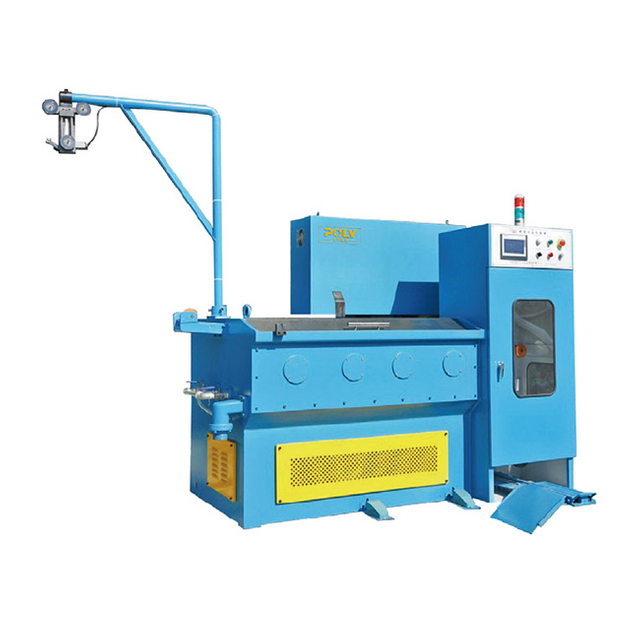
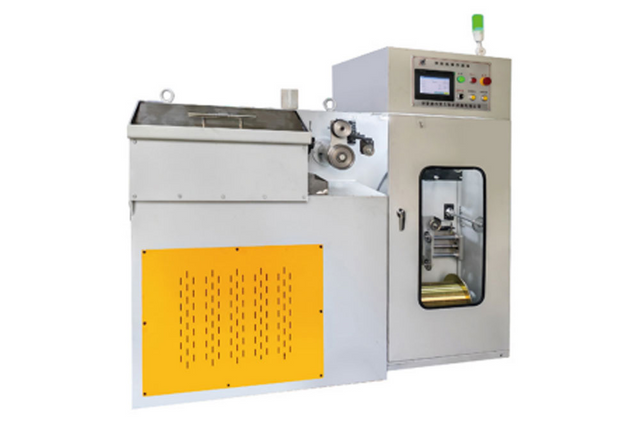
The alloy wire drawing machine plays a decisive role in transforming alloy rods into high-performance wires used across electrical, automotive, aerospace, and industrial manufacturing sectors. Its importance lies not only in material reduction but in its ability to deliver dimensional accuracy, surface integrity, and mechanical consistency at industrial scale. Behind this capability is a combination of mechanical design, material science, and intelligent control technologies that collectively drive high efficiency and superior quality. Understanding how this system works provides valuable insight into why modern alloy wire production can achieve both speed and precision without compromise.
In contemporary metal processing, the alloy wire drawing machine functions as a precision forming system rather than a simple reduction tool. Alloy materials, unlike pure metals, present challenges such as variable hardness, complex grain structures, and sensitivity to temperature and strain. A professional alloy wire drawing machine is engineered to manage these variables while maintaining stable production output.
The core role of the machine is to elongate alloy material by pulling it through a sequence of dies that progressively reduce diameter while enhancing tensile strength. This process refines the internal grain flow, aligns metallurgical structures, and improves mechanical performance. High-efficiency systems minimize material waste, reduce die wear, and stabilize process parameters, which is essential for industries requiring consistent wire properties across long production runs.
Beyond shaping, the machine acts as a quality gatekeeper. Tension control, speed synchronization, and lubrication management ensure that surface defects, micro-cracks, and dimensional deviations are minimized. This makes the high precision alloy wire drawing machine a foundational asset in advanced manufacturing environments.
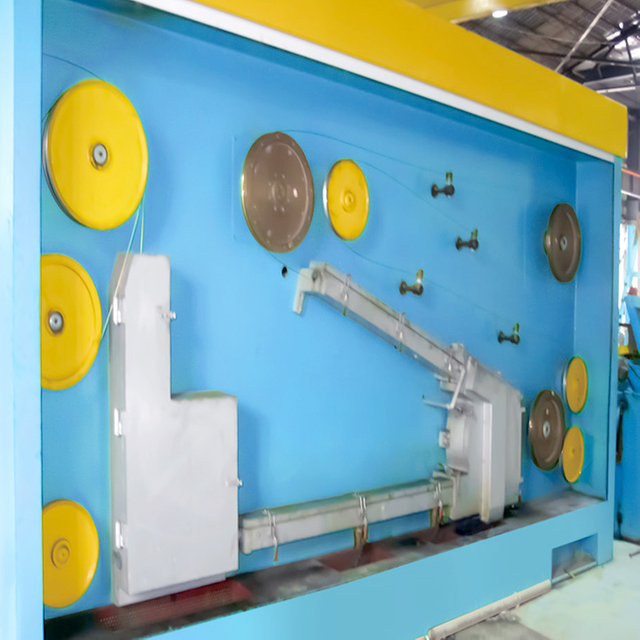
At its core, the alloy wire drawing machine operates on controlled plastic deformation. Alloy wire is drawn through hardened dies using mechanical force generated by capstans or drawing blocks. Each pass reduces the wire diameter while increasing length, strength, and surface smoothness.
The efficiency of this process depends on precise coordination between drawing speed, pulling force, and die geometry. A high-speed alloy wire drawing machine uses multi-stage drawing to distribute deformation evenly, preventing excessive stress concentration. This staged approach improves productivity while preserving alloy integrity.
Lubrication systems play a crucial role by reducing friction between the wire and die surface. Proper lubrication minimizes heat generation, which is especially important for alloy materials sensitive to thermal stress. Cooling mechanisms further stabilize the process, enabling continuous operation without compromising quality.
The principle of constant tension drawing ensures that each segment of wire experiences uniform deformation. This consistency is what allows modern systems to produce alloy wire with tight dimensional tolerances and predictable mechanical properties.
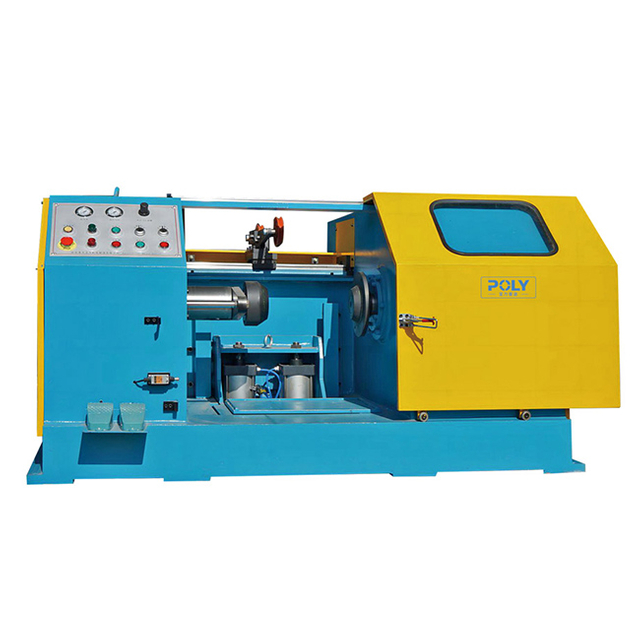
The mechanical architecture of a professional alloy wire drawing machine is designed to balance strength, stability, and adaptability. Each component contributes directly to throughput and quality.
| Component | Technical Function | Contribution to Efficiency |
|---|---|---|
| Drawing Dies | Shape and reduce wire diameter | Ensures dimensional accuracy |
| Capstans / Drawing Blocks | Apply pulling force | Maintains stable wire tension |
| Gearbox System | Transmits torque efficiently | Reduces energy loss |
| Lubrication Unit | Lowers friction and heat | Extends die life |
| Cooling System | Controls temperature | Enables continuous operation |
High-strength frames absorb vibration and mechanical stress, allowing machines to operate at higher speeds without misalignment. Precision bearings reduce rotational resistance, improving energy efficiency. In a high precision alloy wire drawing machine, even minor mechanical deviations are minimized through rigid structural design and advanced alignment techniques.
Modern automatic alloy wire drawing machines rely heavily on digital control systems to achieve repeatable results. Servo motors, PLC controllers, and real-time sensors work together to regulate speed, tension, and synchronization across multiple drawing stages.
Tension monitoring systems detect fluctuations instantly and adjust pulling force accordingly. This prevents wire breakage and ensures uniform deformation. Speed synchronization between drawing blocks is critical in multi-pass setups, particularly in high-speed alloy wire drawing machines where even small mismatches can affect surface quality.
Data feedback loops enable continuous optimization. Parameters such as die pressure, wire temperature, and elongation ratio are monitored and fine-tuned during operation. This intelligent control transforms the machine from a static tool into an adaptive production system capable of handling different alloy compositions without extensive manual adjustment.
Process optimization is central to extracting maximum value from an alloy wire drawing machine. Controlled reduction ratios ensure that alloy grains elongate uniformly, improving tensile strength and fatigue resistance. Optimized lubrication chemistry reduces surface abrasion, resulting in smoother finishes suitable for demanding applications.
Thermal management prevents microstructural damage caused by overheating. By maintaining stable temperatures, the machine preserves alloy ductility and prevents brittleness. This is particularly important in high precision alloy wire drawing machines, where final wire performance is closely linked to metallurgical stability.
Quality inspection systems integrated into the drawing line allow immediate detection of surface flaws or dimensional inconsistencies. Early correction reduces scrap rates and ensures that only compliant wire proceeds to downstream processes.
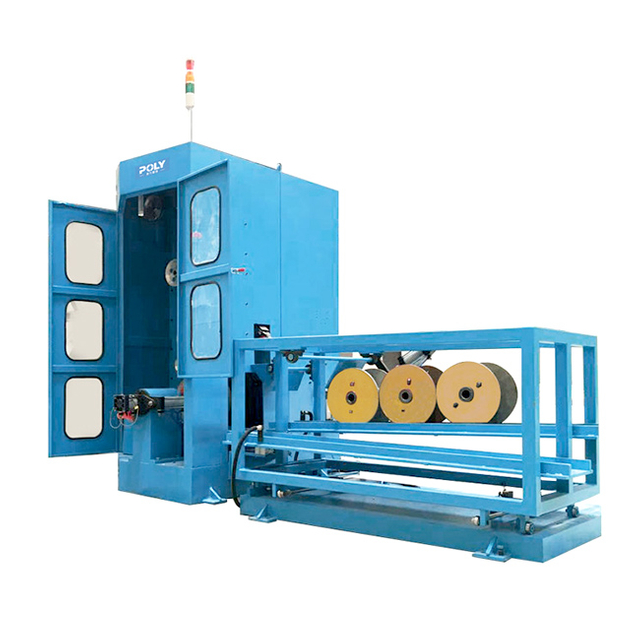
The structural orientation of an alloy wire drawing machine directly affects its performance characteristics. Both vertical alloy wire drawing machines and horizontal alloy wire drawing machines offer distinct advantages depending on production goals.
Vertical configurations use gravity to assist wire alignment, reducing floor space and improving tension stability. They are well suited for fine or high-value alloy wires requiring precise control. Horizontal machines, by contrast, offer easier maintenance access and are commonly used for larger wire diameters and higher throughput.
From a technology standpoint, both configurations can achieve high efficiency when equipped with modern control systems. The choice depends on material type, production volume, and spatial constraints rather than inherent quality limitations.
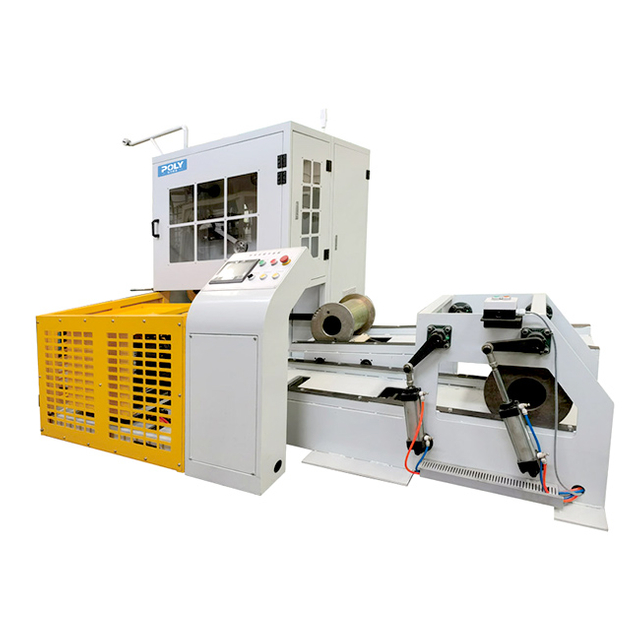
Automation elevates the alloy wire drawing machine from a manual process to a scalable industrial solution. Automated wire threading, die change systems, and fault detection reduce downtime and operator dependency. This is especially valuable in continuous production environments.
A high-speed alloy wire drawing machine integrates automation with reinforced mechanical components to withstand higher operational loads. Intelligent start-stop sequences protect the wire during acceleration and deceleration, maintaining surface integrity even at elevated speeds.
Automation also enhances safety by reducing human interaction with moving components. Consistent operating conditions improve product uniformity, making automated systems essential for manufacturers focused on quality-driven efficiency.
The alloy wire drawing machine is a sophisticated fusion of mechanical engineering, material science, and intelligent control technology. Its ability to deliver high efficiency and consistent quality stems from precise deformation principles, robust mechanical components, advanced automation, and real-time process optimization. Whether configured as Vertical, Horizontal, High-speed, or High precision, modern systems are designed to meet demanding industrial standards while maximizing productivity. Understanding how these machines work provides valuable insight into why they remain indispensable in advanced alloy wire manufacturing.
Q1: What makes an alloy wire drawing machine different from standard wire drawing equipment?
A professional alloy wire drawing machine is designed to handle complex alloy properties, offering enhanced tension control, thermal management, and precision compared to standard systems.
Q2: How does automation improve wire drawing quality?
Automation ensures consistent parameter control, reduces human error, and enables real-time adjustments, resulting in more uniform wire dimensions and surface quality.
Q3: Is a high-speed alloy wire drawing machine suitable for all alloys?
Not all alloys respond equally to high-speed drawing. Proper machine configuration and process optimization are essential to prevent defects.
Q4: How do vertical and horizontal machines differ in efficiency?
Both can achieve high efficiency. The difference lies in layout, space utilization, and material handling rather than inherent performance capability.
Q5: What factors most influence final wire quality?
Die quality, tension control, lubrication, temperature management, and real-time monitoring are the most critical factors in achieving high-quality alloy wire.


 English
 简体中文
简体中文

