
- Home
- Products
- Company
- Solutions
- Advantages
- Blog
- Contact
- Hot
Views: 0 Author: Site Editor Publish Time: 2025-12-16 Origin: Site


The wire and cable industry is a critical part of the global manufacturing landscape, serving a diverse range of sectors, including electronics, telecommunications, energy, automotive, and construction. As industries demand more sustainable solutions, the wire and cable sector is increasingly focusing on eco-friendly practices, energy efficiency, and reducing its environmental footprint. One key piece of equipment that plays a pivotal role in achieving these sustainability goals is the tubular annealing-tinning machine.
Annealing and tinning are two essential processes in wire production. Annealing improves the wire’s ductility, electrical conductivity, and mechanical properties, while tinning provides the wire with a protective layer that enhances its corrosion resistance and solderability. Tubular annealing-tinning machines combine these two processes in one efficient system, making them an indispensable tool in modern wire production. These machines not only improve the quality of wire products but also contribute to sustainability efforts by reducing energy consumption, minimizing waste, and enhancing production efficiency.
In this article, we will explore how tubular annealing-tinning machines are contributing to the sustainability of the wire and cable industry, focusing on the technological advancements that have made these machines more energy-efficient, eco-friendly, and cost-effective.
Before delving into their contributions to sustainability, it’s important to understand how tubular annealing-tinning machines work and what roles annealing and tinning play in the wire manufacturing process.
Annealing is a heat treatment process used to modify the properties of the wire. By heating the wire to a controlled temperature and allowing it to cool at a specified rate, the process helps:
Reduce internal stress in the wire.
Improve ductility and flexibility, making the wire easier to work with during further manufacturing processes.
Enhance electrical conductivity, which is crucial for wires used in electronics, telecommunications, and power transmission.
Cntrol the grain structure of the wire, influencing its strength and durability.
Tinning involves applying a thin layer of tin to the wire’s surface. The main benefits of tinning include:
Corrosion resistance: Tin serves as a protective layer, preventing the wire from corroding when exposed to moisture or other environmental factors.
Solderability: Tinned wires are easier to solder, making them ideal for use in electrical connections, circuit boards, and electronic assemblies.
Enhanced durability: The tin coating helps the wire withstand harsh conditions without losing performance.
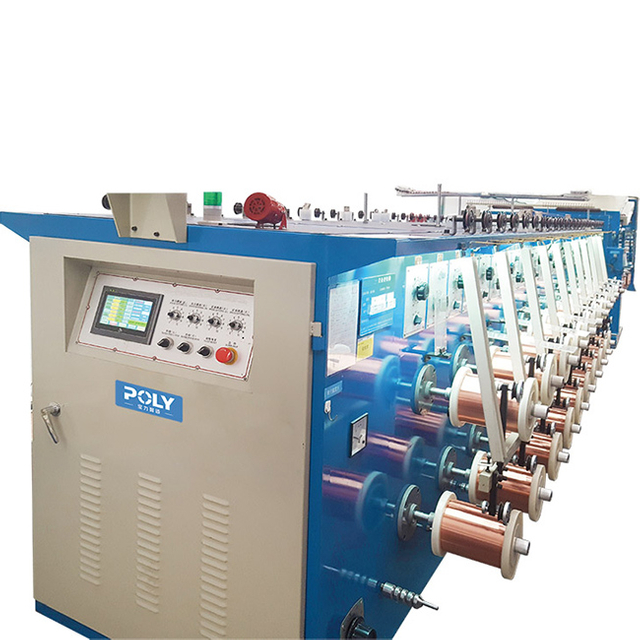
A tubular annealing-tinning machine combines the annealing and tinning processes into one continuous operation. The wire is passed through a tubular furnace, where it is heated to the appropriate annealing temperature. After that, it is immersed in a tinning bath, where the wire is coated with a layer of tin. The machine then cools the wire in a controlled manner to ensure that it retains the desired properties.
These machines are highly efficient and can process large quantities of wire quickly while maintaining high-quality standards.
The growing importance of sustainability in manufacturing has led to significant advancements in the tubular annealing-tinning machines used in wire production. These advancements focus on improving energy efficiency, reducing waste, and minimizing the environmental impact of the manufacturing process. Let’s explore the key ways in which these machines contribute to the sustainability of the wire and cable industry.
Energy consumption is one of the largest operational costs in the wire manufacturing industry. Traditional heating methods used in annealing, such as resistance heating and furnaces, can be highly energy-intensive. However, modern tubular annealing-tinning machines have integrated advanced heating technologies that improve energy efficiency and reduce operational costs.
Induction Heating: This technology uses electromagnetic fields to heat the wire directly. It is faster and more efficient than conventional resistance heating methods, as it reduces heat loss and provides precise control over the temperature.
Electric Resistance Heating: Newer electric resistance heaters offer better temperature stability and uniformity, improving both the annealing and tinning processes. They are more energy-efficient compared to older heating systems.
Infrared Heating: Infrared heating elements use radiation to heat the wire directly, ensuring quick and uniform heating. This method is energy-efficient and reduces energy waste, making it a sustainable option for high-speed wire production.
These advancements in heating technologies significantly reduce the overall energy consumption of tubular annealing-tinning machines, making the production process more sustainable and cost-effective.
In traditional wire manufacturing, waste material such as excess tin or inconsistent wire quality can result in higher costs and environmental impact. Tubular annealing-tinning machines are designed to minimize waste by improving the precision and consistency of both the annealing and tinning processes.
Tin Coating Efficiency: With advanced tinning bath controls, modern machines apply the tin coating precisely, reducing overuse and ensuring that the wire receives a uniform layer of tin. This minimizes waste and ensures that materials are used efficiently.
Controlled Annealing Process: The precise temperature control in the annealing process ensures that the wire is heated to the optimal temperature, reducing the risk of overheating or underheating, both of which can lead to wasted energy and poor wire quality.
Continuous Operation: Tubular machines are designed for high-speed, continuous operation, reducing downtime and improving the overall production yield. This ensures that fewer materials are wasted during the production process.
By improving precision and reducing material waste, these machines help manufacturers become more resource-efficient and environmentally responsible.
The tinning process is essential for improving the corrosion resistance and solderability of wires, but it can also have environmental consequences, especially if the tinning bath is not properly managed. Innovations in tinning bath technology have made it possible to significantly reduce the environmental impact of the tinning process:
Energy-Efficient Bath Systems: Modern machines use energy-efficient tinning baths that maintain the required temperature with minimal energy consumption. These baths are equipped with precise temperature and flow controls to ensure optimal performance and reduce energy waste.
Recycling and Filtration: Many tubular annealing-tinning machines now feature recycling systems that filter and purify the tinning bath, allowing the tin to be reused. This reduces the need for new tin and minimizes the generation of waste materials.
Non-Toxic Alternatives: Some manufacturers are exploring the use of eco-friendly and non-toxic tinning materials that offer similar benefits as traditional tin but with a lower environmental impact.
These innovations in tinning technology help make the wire production process more environmentally friendly by reducing waste, conserving resources, and lowering energy consumption.
One of the most significant sustainability features of modern tubular annealing-tinning machines is the integration of heat recovery systems. These systems capture the waste heat produced during the annealing process and use it to pre-heat the incoming wire or to provide energy for other parts of the manufacturing process.
Heat Recovery: Modern machines can capture heat from the exhaust gases and heated air in the furnace and reuse it to maintain the required temperature in the furnace or heat the wire before it enters the annealing chamber.
Improved Energy Utilization: By recovering waste heat, manufacturers can significantly reduce their reliance on external energy sources, making the entire production process more energy-efficient and sustainable.
The adoption of heat recovery systems in tubular annealing-tinning machines has a significant impact on reducing overall energy costs and the carbon footprint of the manufacturing process.
The integration of automation and smart technologies has revolutionized the wire manufacturing industry, improving not only efficiency but also the sustainability of production processes. Tubular annealing-tinning machines now incorporate advanced sensors, real-time monitoring systems, and automated control systems that allow for more precise and efficient operation.
Automation: Automated feeding and wire tracking systems ensure continuous and consistent production, reducing material waste and minimizing human error.
Real-Time Monitoring: Sensors and control systems monitor the temperature, pressure, and flow of the wire, making adjustments in real-time to optimize performance. This reduces energy consumption and prevents issues such as overheating or underheating, which can waste energy.
Predictive Maintenance: Smart sensors can also predict maintenance needs by monitoring wear and tear on key components. By addressing potential issues before they cause breakdowns, manufacturers can reduce downtime and extend the lifespan of their machines.
These advancements in automation and smart technology improve efficiency, reduce waste, and contribute to a more sustainable manufacturing process.
Tubular annealing-tinning machines play a vital role in the wire and cable industry, contributing to the production of high-quality precision wire for a variety of applications. Technological advancements in heating systems, tinning bath controls, energy recovery, and automation have significantly improved the efficiency, sustainability, and cost-effectiveness of these machines.
By reducing energy consumption, minimizing material waste, and improving process precision, these machines help wire manufacturers meet the growing demand for eco-friendly and energy-efficient production systems. As industries continue to push for sustainable solutions, tubular annealing-tinning machines will be at the forefront of reducing the wire manufacturing industry's environmental impact.
With these innovations, manufacturers can ensure that their operations are not only more profitable but also more aligned with sustainability goals. The future of the wire and cable industry lies in adopting these advanced technologies to create a more efficient, eco-friendly, and cost-effective production process. As the industry continues to evolve, these technological advancements will help wire manufacturers remain competitive while contributing to a greener future.

 English
 简体中文
简体中文

