
- Home
- Products
- Company
- Solutions
- Advantages
- Blog
- Contact
- Hot
Views: 0 Author: Site Editor Publish Time: 2025-12-19 Origin: Site


In the highly competitive wire manufacturing industry, the need for high-quality, precise, and efficient production processes is more important than ever. Tubular annealing-tinning machines play a pivotal role in ensuring that the wire produced meets the highest standards for ductility, electrical conductivity, corrosion resistance, and solderability. These machines combine the processes of annealing and tinning, which are essential in wire production, particularly for industries like electronics, telecommunications, automotive, and power transmission.
The right tubular annealing-tinning machine doesn’t just enhance product quality; it also has a significant impact on efficiency, costs, and ultimately your bottom line. As businesses strive to improve their profitability, adopting modern and efficient machinery can make a big difference. This article will explore how the right tubular annealing-tinning machine can improve your bottom line by enhancing product quality, reducing operational costs, and increasing production efficiency.
Before diving into the benefits, it's essential to understand how tubular annealing-tinning machines work and why they are important in wire production.
Annealing is a heat treatment process used to improve the mechanical properties of the wire. By heating the wire to a precise temperature and cooling it gradually, internal stresses are relieved, and the wire’s ductility and electrical conductivity are enhanced. The process also improves the wire's grain structure, which impacts its strength and flexibility.
Tinning involves applying a layer of tin to the wire, typically by immersing it in a molten tin bath. This coating provides several benefits:
Corrosion resistance: Tin prevents oxidation of the wire, especially in humid or harsh environments.
Solderability: Tinned wires are easier to solder, making them ideal for use in electronic components and circuit boards.
Durability: The tin layer improves the overall lifespan of the wire by protecting it from wear and corrosion.
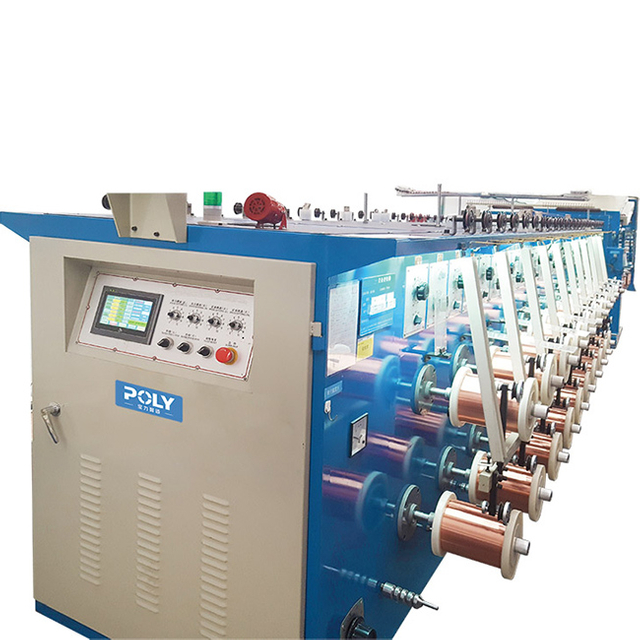
A tubular annealing-tinning machine combines both processes into one continuous system. The wire is fed through a tubular furnace where it is heated to the desired annealing temperature. Then, the wire is passed through a tinning bath where the tin is applied. Finally, the wire is cooled at a controlled rate to maintain its desired properties.
These machines are designed for high-speed production, providing a seamless and efficient solution for manufacturers who need to produce large quantities of high-quality wire.
Investing in the right tubular annealing-tinning machine can provide multiple benefits that directly impact your profitability. Below, we explore the key ways that the right machine can improve your bottom line.
The quality of the wire produced has a direct impact on customer satisfaction and the long-term success of the business. Wires used in electronics, automotive, and telecommunications applications must meet strict performance standards. A well-maintained, high-quality tubular annealing-tinning machine ensures that each wire undergoes both the annealing and tinning processes accurately and consistently. Here’s how:
Precise Control: Modern machines offer precise control over the temperature, speed, and chemical composition of the tinning bath, ensuring that each wire receives a uniform coating. This consistency leads to higher-quality products that meet the required industry standards.
Uniformity: A well-calibrated machine ensures that the annealing process is uniform across the entire wire, which improves ductility, electrical conductivity, and overall mechanical strength.
Reduced Defects: The automation in modern machines reduces the potential for human error, minimizing the risk of defects such as uneven tinning, improper annealing, or wire breakage.
Improved product quality leads to fewer returns, higher customer satisfaction, and the ability to command premium prices in the market, all of which contribute to your bottom line.
Efficiency is a key factor in improving profitability. By streamlining the manufacturing process and minimizing downtime, you can significantly increase production output while reducing costs.
Faster Production Cycles: Modern tubular annealing-tinning machines are designed for high-speed operation, allowing manufacturers to produce large quantities of wire in a short period. This increased throughput leads to higher productivity and reduced labor costs.
Automated Systems: Automated wire feeding, continuous operation, and self-adjusting temperature controls help keep the machine running at its best with minimal operator intervention. This results in reduced labor costs and fewer opportunities for human error.
Reduced Downtime: With predictive maintenance systems and automated diagnostics, modern machines can detect and address issues before they lead to breakdowns. This reduces unplanned downtime, ensuring that the production line remains operational and efficient.
By maximizing production efficiency, you can lower per-unit manufacturing costs and increase overall output, both of which directly impact your bottom line.
Energy costs are a significant portion of the operational expenses in wire production. Tubular annealing-tinning machines with modern energy-efficient technologies can help reduce energy consumption and lower operational costs.
Induction Heating: Induction heating is more energy-efficient than traditional resistance heating methods because it directly heats the wire, reducing energy waste. The wire is heated faster and more evenly, resulting in faster processing times and lower energy consumption.
Optimized Tinning Bath Systems: Advanced machines use automated controls to regulate the temperature and flow of the tinning bath, ensuring that the process is energy-efficient. By maintaining the bath at the optimal temperature, these systems minimize energy waste and reduce heating costs.
Heat Recovery: Some modern machines feature heat recovery systems that capture waste heat from the annealing process and reuse it in other parts of the system. This reduces the need for additional energy inputs, lowering operating costs and increasing overall energy efficiency.
By adopting these energy-efficient features, you can lower your production costs and improve your profit margins while contributing to a more sustainable operation.
Material waste is a common issue in many manufacturing processes, and wire production is no exception. Wasted tin, energy, and time can all contribute to increased production costs. The right tubular annealing-tinning machine can help reduce material waste in several ways:
Precise Tin Coating: Modern tinning baths provide uniform coverage, ensuring that the wire receives just the right amount of tin. This eliminates overuse and reduces waste.
Accurate Annealing: With precise temperature control, the machine ensures that the wire is not overheated or underheated, reducing the likelihood of defects that would require rework or scrap.
Continuous Feeding Systems: Automated wire feeding systems ensure that the wire is processed without interruptions, minimizing the risk of material loss during feeding and setup.
By reducing waste, you not only save on material costs but also make your manufacturing process more eco-friendly, which can help attract environmentally-conscious customers.
The wire and cable industry requires flexibility in production to meet the demands of different sectors. The right tubular annealing-tinning machine allows manufacturers to quickly adapt to changing market demands and produce a variety of wire types and sizes.
Modular Design: Many modern machines are designed to be modular, allowing manufacturers to customize the system based on their specific needs. Whether you need to process different wire gauges, apply multiple tinning layers, or handle various wire materials, modular machines provide the flexibility to meet a wide range of requirements.
Scalability: As demand for wire increases, manufacturers can scale their production without having to replace their entire machine setup. This scalability helps businesses grow without incurring significant capital expenditures.
With greater flexibility and customization options, manufacturers can easily respond to changing customer demands, ensuring that their production process remains cost-effective and profitable.
As environmental regulations become more stringent, manufacturers must ensure that their production processes align with sustainability goals and industry standards. Tubular annealing-tinning machines are increasingly designed to meet eco-friendly standards, such as reducing energy consumption, minimizing waste, and ensuring safe handling of materials.
Reduced Emissions: Modern machines are designed to minimize emissions, particularly from the annealing furnace. By using energy-efficient technologies and waste heat recovery, these machines contribute to lowering carbon footprints.
Waste Management: With automated systems for controlling the tinning bath and improved recycling capabilities, modern machines help reduce waste materials, ensuring that production is more environmentally responsible.
Meeting environmental standards not only helps businesses stay compliant with regulations but also improves their reputation and appeal to customers who prioritize sustainability.
The right tubular annealing-tinning machine is an essential investment for businesses looking to improve their bottom line in the competitive wire production industry. By enhancing product quality, increasing production efficiency, reducing energy consumption, and minimizing waste, these machines provide manufacturers with the tools needed to thrive in a sustainable and cost-effective way.
The technological advancements in modern tubular annealing-tinning machines have made them more efficient, flexible, and eco-friendly, enabling businesses to produce high-quality wires for a variety of applications while reducing operational costs and contributing to a more sustainable future.
As the wire industry continues to evolve, investing in the right machinery will be crucial for maintaining profitability, quality, and sustainability. By adopting advanced tubular annealing-tinning machines, manufacturers can optimize their production processes, improve energy efficiency, and strengthen their competitive position in the market.

 English
 简体中文
简体中文

