
- Home
- Products
- Company
- Solutions
- Advantages
- Blog
- Contact
- Hot
Views: 0 Author: Site Editor Publish Time: 2026-09-11 Origin: Site


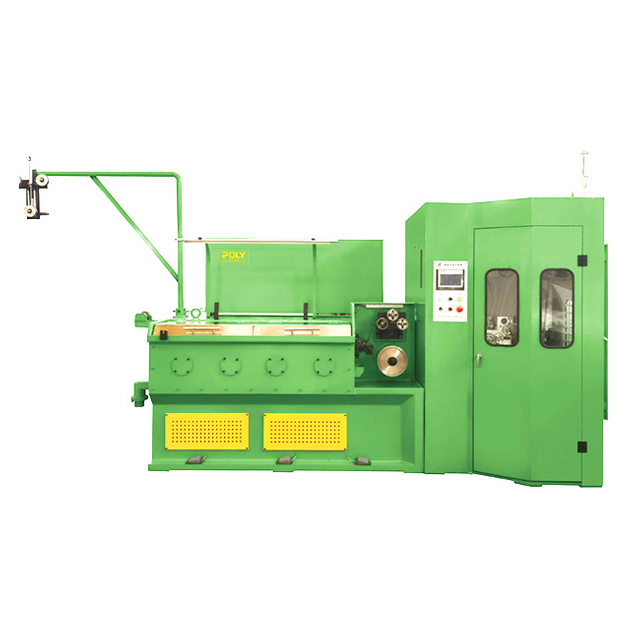
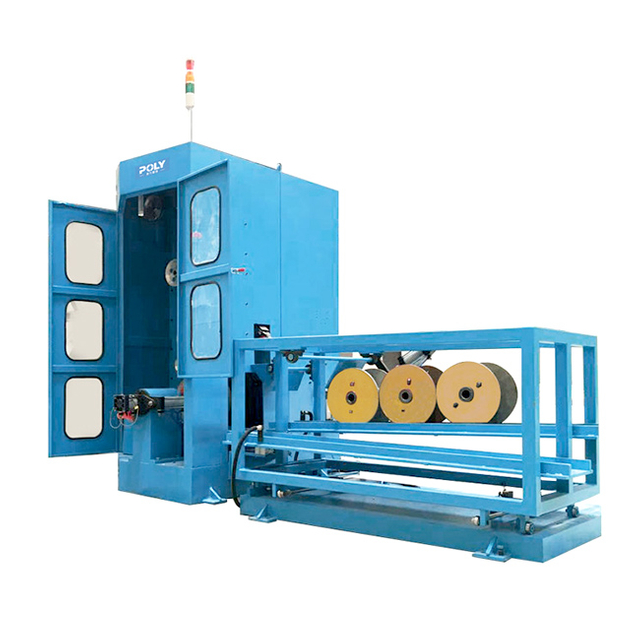
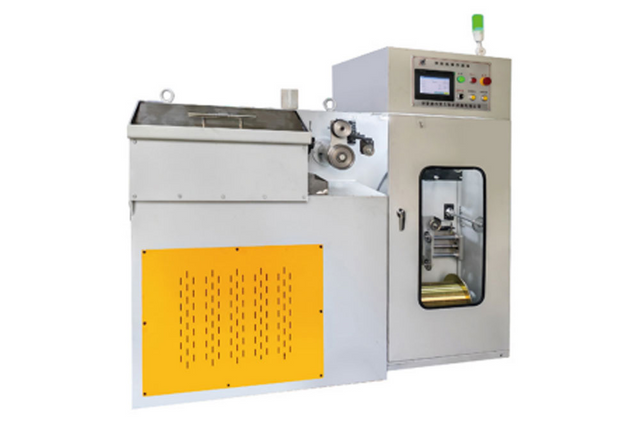
Material waste and machine downtime compound financial losses rapidly in refractory metal manufacturing. Scrapped production runs drain profitability, while machine stoppages disrupt tight delivery schedules. The inherent metallurgical challenges of tungsten make processing difficult. Its high tensile strength, extreme hardness, and susceptibility to brittleness create a narrow window for successful manufacturing. These properties make cold drawing highly prone to micro-fractures, bend stress failures, and catastrophic wire breakage if the process lacks tight controls. Mitigating these failure modes requires moving beyond basic operational tweaks. You cannot simply adjust speeds or change lubricants on outdated equipment and expect drastic yield improvements. Evaluating specific tension, thermal, and reduction capabilities is necessary. You must deploy a purpose-built cold-drawn tungsten wire drawing machine to handle these extreme mechanical demands.
Breakage Root Causes: Most tungsten wire failures stem from upstream sintering defects, aggressive reduction ratios (exceeding the standard ~12% per pass limit), inadequate die lubrication, and unmanaged bend stress during coiling.
Equipment Capabilities: Modern tungsten wire drawing machines mitigate inherent brittleness through precise capstan synchronization, continuous tension control, and integrated thermal management.
Evaluation Criteria: When upgrading wire drawing technology, decision-makers must prioritize die cooling efficiency, automated fault detection, and in-line stress relief over raw drawing speed.
ROI Measurement: The true value of a specialized drawing machine is calculated through continuous yield improvements and the reduction of scrap rates, rather than initial capital expenditure.
Tungsten manufacturing begins with powder metallurgy. The quality of tungsten metal powders dictates downstream drawing success. Manufacturers press and sinter these powders to create near-net-shape rods. This initial phase establishes the fundamental structural integrity of the metal. Any deviations in powder particle size, typically measured using Fisher sub-sieve sizing, or inconsistencies in pressing pressure compromise the final product. We see this constantly on the floor: a batch of powder with poor flow characteristics leads to uneven green density in the pressed ingot.
Microscopic voids often form during sub-optimal sintering. Density variations and trapped impurities act as internal stress concentrators. These defects remain hidden within the sintered rod. Breakage becomes inevitable once this wrought material enters the cold drawing phase. The drawing process amplifies these microscopic flaws. High pulling forces tear the material at these weak points instead of elongating it evenly. When a wire snaps and you examine the fracture surface under a microscope, you frequently find a tiny inclusion or a void that originated in the sintering furnace.
A distinct metallurgical transformation occurs during manufacturing. Processes like rolling, spin-forging, and drawing elongate the internal crystals. This transition changes the material from a brittle sintered rod into a necessary fibrous wire structure. The interlocking fibrous grains give tungsten wire its flexibility and high tensile strength at room temperature. Interestingly, drawing actually lowers the ductile-to-brittle transition temperature (DBTT) of tungsten, which is counterintuitive compared to most other metals.
However, work hardening presents a constant threat. The material reaches a threshold where hardening transitions into fatal brittleness. Intermediate stress relief must be properly managed to prevent this. Residual drawing stresses severely degrade the material's stress-rupture properties. This degradation exacerbates brittleness when the final filament is later subjected to high temperatures or electrical current in vacuum environments. Potassium doping is often used to create non-sag (NS) tungsten wire, but even doped wire will fail if the drawing stresses are not relieved correctly.
Bend stress plays a major role in wire breakage. It causes frequent failures during the coiling and spooling phases. Winding fine wire around a spool introduces severe mechanical strain. The outer radius of the wire stretches while the inner radius compresses. If the wire retains too much residual drawing stress, this additional bending force snaps the filament instantly. Spooling tension must be monitored constantly using precision load cells.
Die friction introduces another critical failure mode. Cold drawing generates immense friction between the wire and the reduction die. Inadequate lubrication leads to material galling. Tungsten particles weld to the die surface, causing severe surface scoring on the wire. Thermal shock also threatens wire integrity. Inconsistent cooling rates between drawing passes disrupt the fibrous grain boundary. Rapid temperature fluctuations cause micro-cracking across the wire surface.
Failure Mode | Visual Indicator on Wire | Primary Root Cause |
|---|---|---|
Cup and Cone Fracture | Necked down break with a central void | Internal sintering defect or inclusion |
Shear Fracture | Clean, angled break across the wire | Excessive bend stress during spooling |
Surface Galling | Deep longitudinal scratches and scoring | Lubrication failure or worn die approach angle |
Transverse Cracking | Micro-cracks perpendicular to drawing direction | Thermal shock from inconsistent cooling |

Multi-pass machines rely heavily on servo-driven capstans. These drives maintain exact tension across every drawing stage. Precise synchronization prevents the micro-fractures caused by uneven pulling forces. If one capstan pulls slightly faster than the previous one, the wire stretches beyond its elastic limit. Advanced control systems monitor and adjust these speeds in milliseconds using high-resolution encoders and fast-acting PID control loops.
Back-tension control is equally necessary. It manages the rigidity of tungsten wire as it enters the reduction die. Consistent back-tension keeps the wire perfectly aligned. It compensates for minor diameter variations in the wrought rod. This alignment ensures the wire enters the die at the optimal angle, reducing uneven wear on the die approach angle and preventing sudden snapping. We use dancer arms and load cells to provide real-time feedback to the capstan drives, ensuring the back-tension never drops below the required threshold.
Tungsten drawing generates extreme friction. High-pressure, targeted lubrication systems are required to handle this heat. Standard flood lubrication often fails to penetrate the high-pressure zone inside the die. Specialized systems inject colloidal graphite suspensions directly into the die approach angle. This maintains a hydrodynamic boundary layer between the wire and the die, preventing metal-to-metal contact.
Internal and external die cooling mechanisms must dissipate heat instantly. Water-cooled die casings pull heat away from the reduction zone. Direct spray systems cool the capstans and the wire simultaneously. Effective thermal management preserves the wire's structural integrity. It prevents thermal degradation and keeps the material within its optimal working temperature range. In the industry, we often heat the wire to 600-1000°C before it enters the die. This is still considered "cold drawing" because it occurs below the recrystallization temperature, but managing this applied heat alongside friction heat requires robust cooling jackets.
Engineers face a critical constraint when drawing tungsten. Diameter reduction must be limited to approximately 12% per pass. This standard was established during the initial swaging phase. Exceeding this reduction ratio overworks the metal. It causes immediate work-hardening and inevitable breakage within the die. You cannot force tungsten to reduce faster than its crystalline structure allows.
A specialized tungsten wire drawing machine sequences these passes carefully. The draft schedule optimizes grain elongation without exceeding the material's tensile limits. Each pass incrementally reduces the diameter while building the necessary fibrous microstructure. The machine geometry must accommodate these precise reduction steps without introducing unnecessary bending forces between the capstans and the dies.
Evaluating equipment based on raw speed is a flawed approach. High drawing speeds generate uncontrollable heat in tungsten processing. Consistent, uninterrupted yield is the primary driver of profitability. A machine running at moderate speeds with zero breaks produces far more usable wire than a high-speed machine that snaps the wire hourly. Every time a wire breaks, operators must stop the machine, re-thread the dies, and scrap the damaged section. This downtime destroys production schedules.
Specific machine features map directly to reduced scrap rates. Heavy vibration dampening prevents chatter marks on the wire surface. Rigid frame construction maintains perfect die alignment under massive pulling loads. These features preserve the stress-rupture properties of the final product. Upgrading your wire drawing technology should focus entirely on process stability. Look for cast iron machine bases and oversized spindle bearings that absorb the mechanical resonance generated during heavy drafts.
Machine Feature | Operational Function | Direct Yield Outcome |
|---|---|---|
Servo-Driven Capstans | Maintains exact draft synchronization | Eliminates tension-induced micro-fractures |
High-Pressure Lubrication | Forces lubricant into the die angle | Prevents galling and surface scoring |
Vibration Dampening Frame | Absorbs mechanical resonance | Prevents diameter fluctuations and chatter |
In-Line Laser Micrometers | Monitors wire diameter continuously | Detects die wear before breakage occurs |
Integrating intermediate heating or annealing stages offers massive advantages. It relieves work-induced stress without requiring off-line processing. Moving spools to separate batch furnaces wastes time and risks handling damage. In-line systems heat the moving wire using direct resistance or induction methods. This restores ductility immediately before the next drawing pass. We typically run these in-line heating stages under a protective hydrogen atmosphere to prevent severe oxidation of the tungsten surface.
Control systems must maintain precise temperature profiles during these in-line processes. Tungsten requires specific temperature bands for effective stress relief. Overheating causes premature recrystallization. Recrystallized tungsten loses its fibrous structure and becomes brittle. Advanced sensors monitor the wire temperature in real-time, adjusting power output to maintain the exact metallurgical sweet spot. Pyrometers are often integrated directly into the heating zone for closed-loop temperature control.
Inline laser micrometers provide continuous quality control. They measure the wire diameter across multiple axes. Tension sensors detect minute fluctuations in pulling force. These systems identify diameter anomalies and tension spikes before a break occurs. Operators receive immediate alerts to adjust the process or change a worn die. We also deploy eddy current testing inline to detect microscopic surface cracks that visual inspections miss.
Predictive maintenance software integrates directly into modern control panels. It tracks the exact mileage run through each specific die. The system prevents catastrophic die failures by prompting replacements based on actual wear data, not guesswork. This data-driven approach maximizes die life while protecting the tungsten wire from surface defects. It shifts the maintenance strategy from reactive firefighting to proactive process control.
Calculating the payback period requires looking past the initial purchase price. High-end equipment demands a larger upfront investment. However, you must base the ROI on a projected 5-15% reduction in material scrap. Tungsten is an expensive refractory metal. Saving a few kilograms of scrapped wire daily quickly offsets the cost of advanced machinery. Track your current scrap rates meticulously for a month. Calculate the material cost, the lost machine time, and the wasted labor. Compare that monthly loss against the financing cost of a new machine.
Cheap equipment carries severe hidden costs. Frequent die replacement drains maintenance budgets. High operator intervention leads to excessive labor costs. Most importantly, inconsistent wire quality fails in end-use vacuum applications. When a tungsten filament fails in a finished medical device or aerospace component, the liability far exceeds the savings from budget machinery. You are not just buying a machine; you are buying process reliability.
Retrofitting existing machines seems like an attractive middle ground. Upgrading tension controllers or adding new cooling systems is technically feasible. New PLC controls can improve capstan synchronization on older frames. Better lubrication pumps can reduce die friction. These upgrades provide marginal improvements for facilities with tight capital constraints. We often install new dancer arm assemblies on old bull blocks to gain a slight edge in tension control.
However, you will eventually reach a tipping point. Legacy frame rigidity cannot handle the demands of modern high-tension drawing. Outdated mechanical capstan designs introduce unavoidable backlash. When the physical structure of the machine causes vibration and misalignment, full replacement becomes the only viable option. A new machine guarantees the foundational stability required for zero-defect tungsten production. You cannot bolt precision controls onto a vibrating, unstable frame and expect aerospace-grade wire.
Transitioning from manual to highly automated drawing systems introduces risk. Operator error can cause severe damage to expensive equipment. Operators accustomed to manual tension adjustments may struggle with digital control loops. They might override automated safety limits, leading to immediate wire breakage or die shattering. We see this during commissioning: veteran operators try to run the new equipment using old habits.
Implement specific training protocols to mitigate this risk. Focus heavily on tension calibration and digital interface navigation. Train operators on precise die alignment techniques. Teach them how to read and interpret automated fault diagnostics. When operators understand the mechanics behind the machine's automated decisions, they become effective process managers rather than just machine tenders. Cross-training maintenance staff alongside operators ensures everyone understands the new system architecture.
Accelerated die wear is a reality specific to tungsten drawing. The extreme hardness of the material degrades diamond and carbide dies rapidly. Operating with worn dies guarantees surface defects and eventual breakage. You cannot rely on visual inspection alone to determine die health. Microscopic wear patterns cause macroscopic failures. A worn die approach angle increases drawing force exponentially.
Establish a strict preventative maintenance schedule.
Clean all dies ultrasonically after every production run to remove residual graphite lubricant.
Inspect dies using optical profilometry to measure the bearing length and reduction angle accurately.
Polish dies regularly using diamond suspension to maintain the optimal surface finish in the reduction zone.
Replace diamond or carbide dies well before they reach their maximum wear tolerance limits.
Log all die measurements in a central database to track wear trends and predict replacement intervals.
Ambient factory conditions heavily impact the cold drawing process. Temperature fluctuations change the viscosity of drawing lubricants. If the factory gets too cold, lubricants fail to flow into the die properly. Airborne contaminants present an even greater risk. Dust and metallic particles settle on the wire before it enters the die. These particles drag into the reduction zone, causing severe scratches and die damage.
Propose strict environmental controls around the drawing equipment. Enclose the wire path where possible. Implement clean-lubricant protocols, including continuous filtration of the lubrication fluid using magnetic separators and fine mesh filters. Maintaining a clean, temperature-stable environment ensures consistent drawing conditions year-round. We often install dedicated HVAC units directly over the wire drawing lines to maintain a constant ambient temperature and control humidity.
Conduct an immediate audit of current scrap rates and identify the exact failure points in your drawing process.
Evaluate your existing die maintenance protocols and implement optical inspection for all diamond and carbide dies.
Request yield-guarantee data and arrange pilot testing with shortlisted machine manufacturers using your specific tungsten material.
Develop a comprehensive operator training program focused on digital tension control and fault diagnostic interpretation.
A: The industry standard is approximately 12% per pass. This specific ratio balances necessary grain elongation with the prevention of work-hardening brittleness. Exceeding this limit causes the material to fracture within the die due to excessive mechanical stress.
A: Tungsten is manufactured using powder metallurgy. Any microscopic voids, density inconsistencies, or impurities introduced during the pressing and sintering of the initial rod act as stress concentrators. These flaws cause the wire to snap under the high tension of drawing.
A: Residual stresses from the drawing process compound with the physical bending radius. If the coiling mechanism lacks specialized spooling tension control, this combined stress exceeds the wire's tensile limit. The outer edge of the wire stretches too far, causing immediate fractures.
A: While machines cannot change tungsten's inherent properties, precise thermal and tension management drastically reduces process-induced brittleness. Advanced controls prevent excessive work hardening, preserving the wire's structural integrity and flexibility for end-use applications.
A: High operating temperatures cause recrystallization of the fibrous structure created during drawing. The elongated grains revert to a blocky structure. Proper in-line stress relief during manufacturing helps optimize the wire's stress-rupture properties to delay this failure mode.
A: Specialized lubricants prevent galling and manage the extreme friction heat unique to tungsten. High-pressure systems force lubricant into the die angle, maintaining a boundary layer. This prevents the tungsten from welding to the die and scoring the wire surface.



 English
 简体中文
简体中文

