
- Home
- Products
- Company
- Solutions
- Advantages
- Blog
- Contact
- Hot
Views: 0 Author: Site Editor Publish Time: 2025-12-30 Origin: Site


Copper wire is an essential component in many industries, ranging from electronics and telecommunications to automotive and energy sectors. Copper's excellent electrical conductivity and corrosion resistance make it an ideal material for wire manufacturing. However, the production of high-quality copper wire requires precise manufacturing processes, particularly annealing and tinning. The introduction and widespread adoption of tubular annealing-tinning machines have revolutionized the way copper wire is produced, improving both quality and efficiency while meeting the growing demands of modern industries.
In this article, we will explore how tubular annealing-tinning machines have had a significant impact on the global copper wire market. We will discuss the role these machines play in improving wire quality, enhancing production efficiency, and driving sustainability. Additionally, we will look at how the technological advancements in these machines have influenced market dynamics, including the demand for copper wire and the competitive landscape of the industry.
Before diving into the impact these machines have on the copper wire market, it’s essential to understand the core processes of annealing and tinning and how tubular annealing-tinning machines have revolutionized their implementation in wire manufacturing.
Annealing is a heat treatment process that improves the ductility, conductivity, and mechanical properties of copper wire. The wire is heated to a specific temperature and then cooled at a controlled rate. Annealing reduces internal stresses, improves flexibility, and makes the wire easier to work with during further manufacturing processes. The precise control of temperature and cooling rates is essential to achieve uniform properties across the wire, making it ideal for high-performance applications in electronics, power transmission, and telecommunications.
Tinning involves coating the copper wire with a thin layer of tin. The tin serves several functions:
Corrosion Resistance: The tin coating protects the copper from oxidation and corrosion, especially in humid or harsh environments.
Improved Solderability: Tinned copper wire is easier to solder, making it essential in electronic assemblies and circuit boards.
Durability: The tin layer improves the overall durability of the wire, increasing its lifespan in both electrical and mechanical applications.
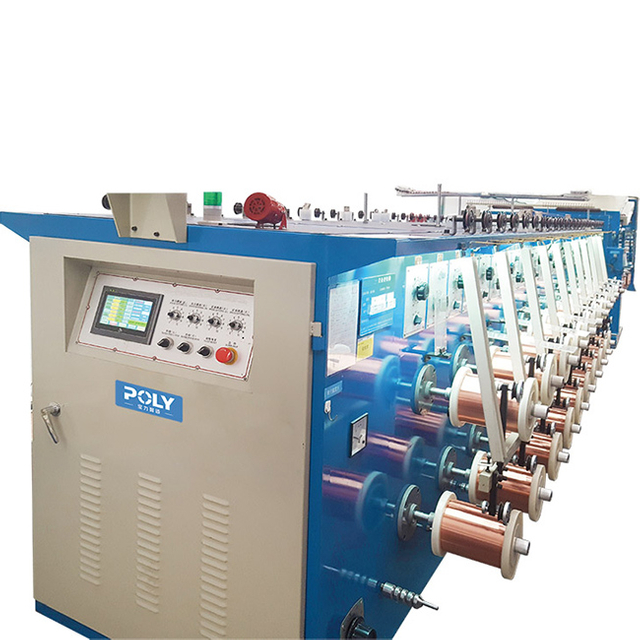
A tubular annealing-tinning machine is an integrated system that combines both the annealing and tinning processes into one continuous operation. The wire passes through a tubular furnace for annealing, then moves through a tinning bath where the copper wire is coated with a layer of tin. The wire is then cooled, preserving its desired properties.
Modern tubular annealing-tinning machines are highly efficient, capable of processing large volumes of wire at high speeds, making them ideal for industries that demand consistent quality and fast production rates.
The introduction of tubular annealing-tinning machines has led to significant improvements in the quality, cost-effectiveness, and efficiency of copper wire production. These improvements have had a profound effect on the global copper wire market, influencing both the supply and demand sides of the industry.
Quality is a primary concern in the wire manufacturing process, especially in industries like electronics and automotive, where performance and reliability are critical. Tubular annealing-tinning machines ensure that both the annealing and tinning processes are carried out with precision, resulting in uniform wire properties.
Precise Temperature Control: These machines provide exact control over the temperature during the annealing process, ensuring that the wire reaches the ideal condition for conductivity and ductility.
Consistent Tinning: The integration of automated tinning bath control ensures that the wire receives a consistent tin coating, which is essential for ensuring corrosion resistance and solderability.
High Throughput and Efficiency: The ability to process large quantities of wire at high speeds without sacrificing quality ensures that manufacturers can meet the growing demand for copper wire in various applications.
By improving the quality and consistency of the wire, tubular annealing-tinning machines help meet the increasingly stringent standards of industries like telecommunications, electronics, and energy transmission, which rely on highly reliable wire products.
The global copper wire market is characterized by growing demand, particularly in emerging industries such as electric vehicles, renewable energy, and high-speed telecommunications. In order to meet this demand, manufacturers must adopt efficient production methods.
Streamlined Production: Tubular annealing-tinning machines combine two processes into one seamless system, eliminating the need for separate machines and reducing processing time. This results in higher throughput and reduced downtime during production.
Automation: The integration of automated feeding systems, smart controls, and real-time monitoring ensures that the machine operates continuously without interruption. These systems allow manufacturers to optimize machine performance, reduce human error, and increase overall operational efficiency.
Reduced Labor Costs: Automation in modern tubular annealing-tinning machines reduces the need for manual labor, which leads to lower operational costs and higher profitability for manufacturers.
By increasing production speed and reducing labor costs, tubular annealing-tinning machines help manufacturers meet rising demand while maintaining high levels of efficiency and quality.
Sustainability is becoming increasingly important in the global copper wire market, as manufacturers face pressure to reduce energy consumption and minimize their environmental impact. Tubular annealing-tinning machines have played a significant role in making copper wire production more cost-effective and sustainable.
Energy Efficiency: Modern tubular annealing-tinning machines feature energy-efficient heating systems and heat recovery technologies that minimize energy consumption during both the annealing and tinning processes. By reducing energy costs, manufacturers can improve profit margins and reduce their carbon footprint.
Material Efficiency: Tubular machines are designed to apply the optimal amount of tin during the tinning process, reducing waste and ensuring that materials are used efficiently. This minimizes material waste and reduces the environmental impact of wire production.
Sustainability Goals: By adopting energy-efficient machines that reduce waste and energy consumption, manufacturers can contribute to sustainability efforts while also improving their competitive position in the market.
These cost-effective and eco-friendly innovations have helped tubular annealing-tinning machines become a key solution for wire manufacturers aiming to align with global sustainability goals.
As industries such as electric vehicles, renewable energy, and high-speed data transmission continue to grow, the demand for high-performance copper wire has skyrocketed. These industries require wire products that meet specific performance criteria, such as high conductivity, durability, and corrosion resistance.
Customization Options: Tubular annealing-tinning machines offer customization options, such as adjustable heating controls and multi-stage tinning processes, to produce wire that meets the exact specifications of these emerging industries.
Adaptability: The ability to customize these machines for different wire gauges, materials, and coatings makes them highly adaptable to a wide range of applications, from automotive wiring to telecommunications and power distribution.
By providing tailored solutions to meet the specific demands of emerging industries, tubular annealing-tinning machines help manufacturers remain competitive in an increasingly dynamic market.
As the global demand for copper wire continues to grow, manufacturers must compete on factors such as product quality, production speed, and cost-effectiveness. Tubular annealing-tinning machines give manufacturers a significant competitive edge in the following ways:
Higher Production Capacity: By improving efficiency and reducing cycle times, these machines allow manufacturers to produce larger quantities of high-quality wire in a shorter period.
Consistency and Reliability: The precision and automation in tubular annealing-tinning machines ensure that every batch of wire meets the same high-quality standards. This reliability is crucial for manufacturers seeking long-term contracts in industries like electronics and automotive, where quality is critical.
Global Reach: As manufacturers strive to expand their reach in international markets, the ability to produce high-quality wire at competitive prices gives them a strong position in the global copper wire market.
By improving product quality, operational efficiency, and cost-effectiveness, tubular annealing-tinning machines help manufacturers stay competitive on the global stage.
The future of the global copper wire market looks promising, with continued growth in demand for high-performance wire products across various industries. As sustainability becomes an even more pressing concern, technological advancements in tubular annealing-tinning machines will play a crucial role in meeting these challenges. Future innovations may include:
Increased Energy Efficiency: Ongoing developments in heat recovery systems, smart controls, and energy-efficient heating technologies will continue to drive down operational costs and improve sustainability.
Greater Automation: The continued integration of automation, predictive maintenance, and AI-powered monitoring systems will further enhance the efficiency and reliability of tubular annealing-tinning machines.
Customization for Specialized Industries: As emerging industries such as electric vehicles and renewable energy continue to grow, tubular annealing-tinning machines will become even more customizable to meet the unique needs of these markets.
These advancements will help ensure that tubular annealing-tinning machines remain at the forefront of the copper wire production process, enabling manufacturers to meet growing demand while improving quality, efficiency, and sustainability.
Tubular annealing-tinning machines have had a significant impact on the global copper wire market, offering manufacturers a more efficient, cost-effective, and sustainable solution for producing high-quality wire. Through precise temperature control, energy-efficient processes, and customization options, these machines have revolutionized the way copper wire is manufactured, helping businesses meet the rising demand for wire products across industries such as electronics, automotive, and telecommunications.
By improving product quality, increasing production efficiency, and reducing environmental impact, tubular annealing-tinning machines are contributing to the growth and competitiveness of the global copper wire industry. As technological advancements continue, these machines will play an even more critical role in helping manufacturers stay ahead in a rapidly evolving market.
For businesses looking to stay at the forefront of the industry, investing in advanced tubular annealing-tinning machines will not only improve production capabilities but also help achieve sustainability goals and cost savings. The future of copper wire production is bright, and these machines will continue to shape the industry’s success in the years to come.

 English
 简体中文
简体中文

