
- Home
- Products
- Company
- Solutions
- Advantages
- Blog
- Contact
- Hot
Views: 0 Author: Site Editor Publish Time: 2026-09-27 Origin: Site


Even micron-level deviations in fine wire drawing carry critical impacts. For high-value materials like copper alloys or medical-grade stainless steel, tight tolerances dictate product viability. Minor die wear naturally occurs over time. However, erratic fine wire diameter variation typically signals systemic process control failures. These failures primarily involve unstable tension, extreme temperature fluctuations, and mechanical vibration.
Resolving these variations requires a deeper structural approach. We must move beyond reactive die replacements. True stability demands evaluating existing drawing machinery alongside current process controls. In this article, you will learn the precise root causes behind these fluctuations. We will explore immediate process tweaks you can apply today. Finally, we cover the hardware upgrades necessary to eliminate tolerance issues permanently and protect your production yields.
Fine wire diameter variation is predominantly caused by inconsistent back-tension, inadequate heat dissipation, and uneven die wear.
Process-level adjustments (coolant filtration, strict die maintenance) provide baseline stability but cannot overcome inherent mechanical machine limitations.
Upgrading to a high precision wire drawing machine with closed-loop PID tension control is the most reliable method for achieving strict, repeatable tolerances.
Evaluating new equipment requires scrutinizing continuous slip reduction, multi-motor drive capabilities, and integration with downstream spooling to prevent post-draw stretching.
Quality deviations in wire manufacturing directly erode profit margins. When wire dimensions fluctuate unpredictably, the entire production ecosystem suffers.
Drawing wire outside acceptable tolerances incurs heavy financial costs. Undersized copper wire fails electrical resistance standards. Oversized wire consumes excessive raw material and adds unnecessary weight. Either scenario forces quality control teams to scrap entire spools. You lose the raw material cost, the energy spent drawing it, and the operational time. In high-volume facilities, a one percent increase in scrap severely damages quarterly profitability.
Diameter variation rarely stays confined to the drawing department. It creates a cascading effect across downstream processing. For example, enameling lines depend on consistent wire geometry. If the wire diameter fluctuates, the enamel coating applies unevenly. This creates beads, bare spots, or insulation failures. Similarly, stranding and braiding machines require uniform tension. Variable wire thickness causes tangles, machine jams, and structural weaknesses in the final cable harness.
You must differentiate between expected physical wear and systemic failures. Gradual, predictable diameter shifts usually indicate normal die wear. Operators can track this slow drift and schedule standard die replacements. Conversely, erratic and sudden diameter variations signal a process breakdown. These sharp spikes mean the machine mechanics or fluid systems are failing. Identifying this threshold helps you transition from basic maintenance to systemic troubleshooting.
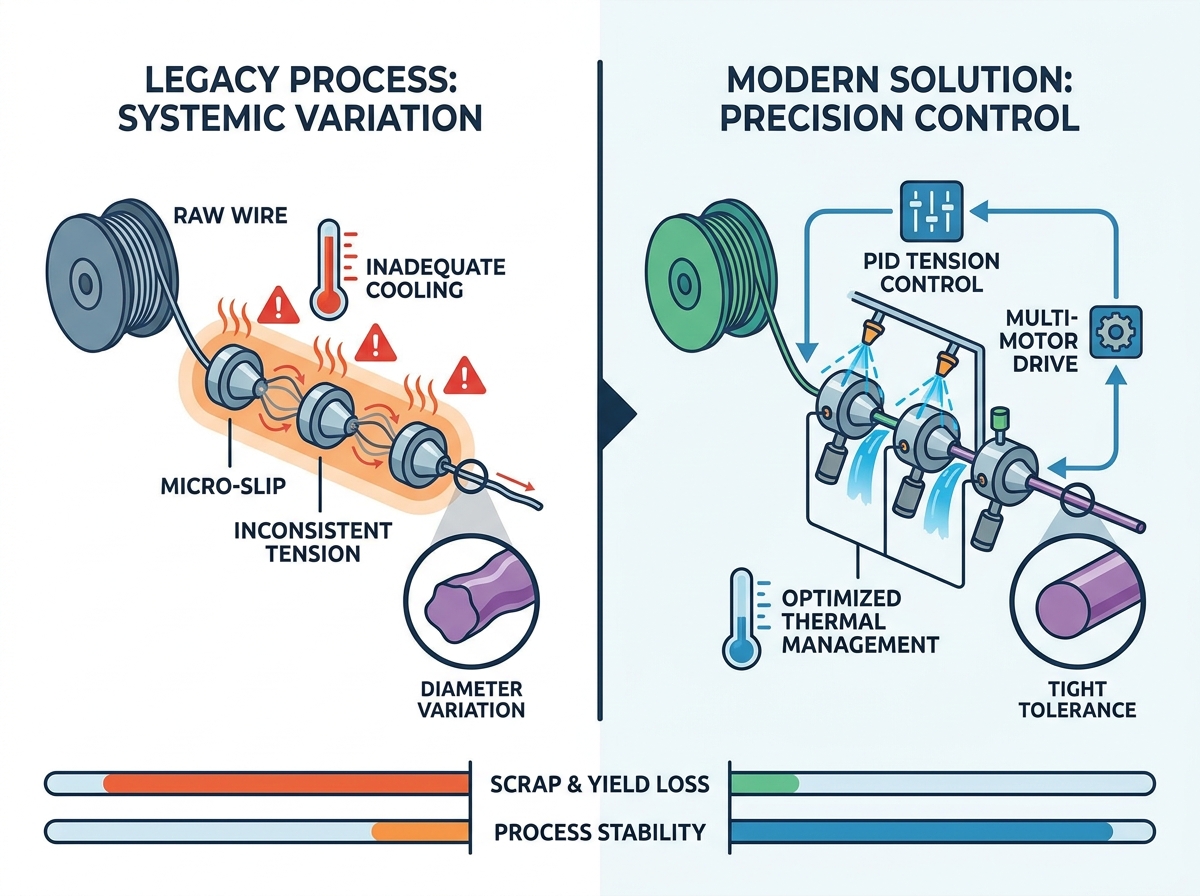
To eliminate diameter inconsistencies, we must understand the physical forces acting on the wire. Three primary factors disrupt the drawing process.
Wire drawing relies on precise tension limits. Mechanical friction blocks and outdated dancer arms often fail to maintain uniform tension at high speeds. When back-tension spikes, the wire stretches unevenly before entering the die. This uncontrolled stretching causes localized thinning.
Excessive slip on drawing capstans also generates severe problems. Legacy machines use fixed-gear ratios. As the wire elongates, it must slip against the capstan surface to accommodate speed differences. Too much slip creates intense friction and inconsistent pulling forces. This micro-slip translates directly into erratic dimensional changes.
The deformation zone inside a drawing die generates massive heat. Inadequate cooling prevents this heat from dissipating. Degraded drawing emulsion or blocked coolant nozzles compound the issue. When the deformation zone overheats, the material dynamics change rapidly.
Localized overheating momentarily alters the material's yield strength. The metal becomes softer and more ductile. As the capstan pulls the softened metal, it stretches more than intended. Once it cools, the diameter is permanently reduced. Maintaining strict temperature control prevents these thermal-induced variations.
Lubricant cleanliness directly impacts die lifespan and wire quality. Microscopic debris, such as copper fines or airborne dust, contaminates the drawing emulsion. If filtration systems fail, this debris enters the die block.
Particles score the die surface, creating micro-abrasions. They also cause temporary blockages at the die inlet. This starves the die of lubrication. The sudden spike in friction pulls the wire harder, resulting in unpredictable diameter fluctuations. Clean fluids are non-negotiable for ultra-fine applications.
Fixing diameter variation involves a phased approach. You start with procedural adjustments. If those fail, you must evaluate capital upgrades.
Immediate process improvements focus on stabilizing the current environment. Implementing stricter emulsion management is the first step. You must continuously monitor fluid concentration, pH levels, and temperature. Upgrade your filtration systems to capture sub-micron particles.
Next, standardize your die profiles. Ensure the approach angle and bearing length match the specific alloy you draw. Institute predictive replacement schedules. Change dies before they reach their maximum wear limits. These steps establish baseline stability and reduce sudden quality drops.
Process tweaks eventually yield diminishing returns. You will encounter scenarios where better maintenance cannot overcome mechanical limits. Attempting to draw ultra-fine gauges on legacy single-motor step-cone machines is a prime example. The inherent slip and vibration in these older machines make strict tolerances impossible.
You must outline the operational math to justify new equipment. Calculate your monthly costs for scrapped wire, customer rejections, and machine downtime. Compare this against the investment required to modernize the line. When scrap costs outpace equipment payments, modernization becomes necessary.
Comparison of Remediation Strategies
Strategy Type | Action Item | Expected Outcome | Limitation |
|---|---|---|---|
Process Tweak | Sub-micron coolant filtration | Reduces die scoring and friction | Cannot fix mechanical tension spikes |
Process Tweak | Predictive die replacement | Eliminates gradual diameter drift | High ongoing consumable costs |
Hardware Upgrade | Multi-motor drives | Eliminates capstan micro-slip | Requires significant capital investment |
Hardware Upgrade | Closed-loop PID control | Auto-corrects dynamic tension | Requires operator retraining |
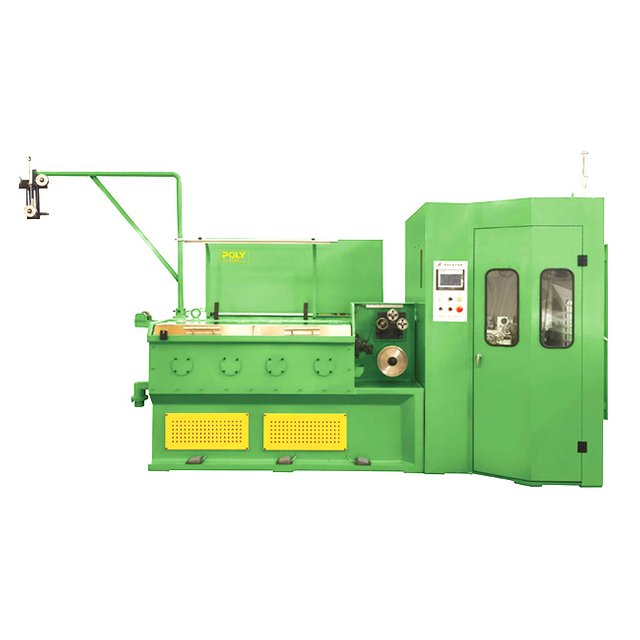
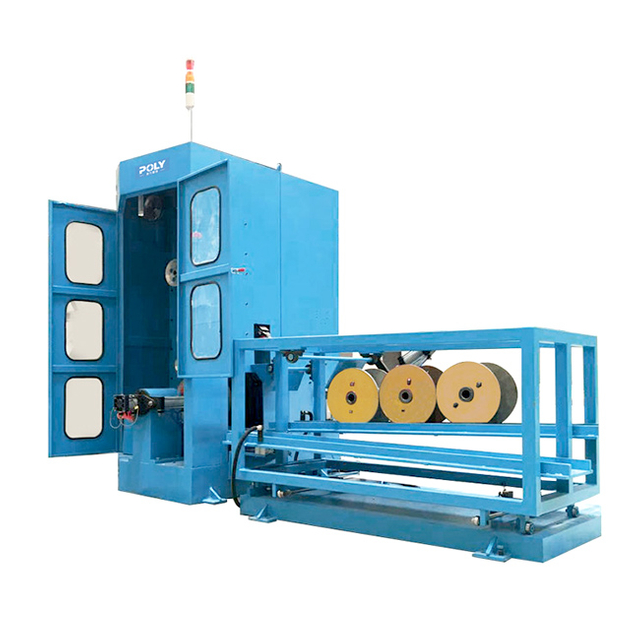
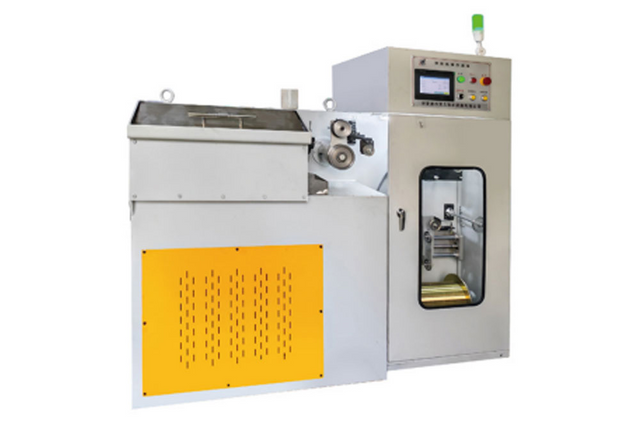
Modernizing your line requires selecting the right technology. A high precision wire drawing machine utilizes digital synchronization to eliminate mechanical flaws.
Traditional geared machines link all capstans to a single motor. This forces the wire to slip. Multi-motor drive systems assign independent drives to different capstan stages. The PLC adjusts the speed of each capstan to match the exact elongation of the wire. This slip-free or reduced-slip environment prevents surface damage and erratic stretching.
Maintaining absolute tension requires real-time adjustments. You need a precision controlled wire drawing machine to achieve this. These systems utilize sensitive dancer accumulators and high-resolution load cells. The sensors send immediate feedback to the PLC. The PLC auto-corrects motor speeds within milliseconds. This closed-loop PID control absorbs tension spikes before they alter the wire diameter.
High-speed drawing demands aggressive cooling. Look for equipment featuring optimized fluid dynamics. The machine must ensure uniform coolant application directly at the die inlet. It should also submerge or heavily spray the capstan surfaces. Efficient thermal management prevents heat-induced material stretching and extends die life.
Mechanical chatter ruins wire quality. High-frequency vibrations translate directly into surface defects and diameter waviness. Premium drawing machines utilize heavy-duty, cast-iron machine frames. They incorporate precision bearings and dynamically balanced capstans. This robust construction dampens vibrations and ensures smooth operation at maximum speeds.
Purchasing the right equipment only solves half the problem. Improper installation or poorly trained operators will quickly degrade machine performance.
Many drawing lines feed directly into continuous inline annealers. This transition zone is highly vulnerable. If tension matching between the drawing machine and the annealer fails, the wire will stretch. The hot, soft wire inside the annealer deforms easily under slight tension. You must ensure digital speed synchronization between both units to prevent post-draw diameter variation.
Upgrading from mechanical machines to digital systems creates a learning curve. Legacy operators rely on manual dials, physical adjustments, and intuition. Modern machines use digital HMIs and PLC-based recipes. You must address this transition proactively. Provide comprehensive training on recipe management, alarm diagnostics, and digital troubleshooting. Operator buy-in ensures the machine operates at its full potential.
Never install a machine without rigorous validation. We recommend running dedicated Factory Acceptance Tests (FAT) at the manufacturer's facility. Bring your specific wire alloys, dies, and emulsion. Best practices for FAT include:
Running the machine at maximum rated speed for a continuous hour.
Inducing a planned stop-and-start sequence to test tension control during acceleration.
Measuring the entire spool with a laser micrometer to verify tolerance capabilities.
Testing alarm functions and emergency stop responses.
Selecting a vendor requires filtering marketing claims through strict engineering standards. A reliable partner provides transparency and ongoing support.
Discard vendors making impossible guarantees, such as zero-breakage or zero-wear systems. Physics dictates that wear and occasional breaks will happen. Instead, look for vendors providing statistical process control (SPC) data. Ask for case studies showing CpK and PpK values from actual installations. Data-driven vendors understand the realities of factory environments.
Industrial machinery must protect your workforce and meet legal standards. Ensure the equipment meets regional industrial safety requirements, such as CE in Europe or OSHA in the United States. Furthermore, the vendor’s manufacturing processes should align with your internal ISO quality control requirements. Proper guarding, interlocks, and sound enclosures are mandatory.
Downtime destroys profitability. Evaluate the vendor's post-sale infrastructure. You need localized technical support for rapid on-site assistance. The machine should feature remote PLC diagnostics, allowing factory engineers to troubleshoot software issues instantly. Finally, audit their lead times for critical wear components. Fast access to replacement capstans and specialized bearings keeps your production running.
Solving dimensional inconsistencies requires moving from reactive fixes to proactive control. It is a progression from eliminating fluid and die variables to establishing absolute mechanical dominance over the drawing environment. Process tweaks buy you time, but sophisticated hardware secures your long-term quality.
We advise engineering and production decision-makers to conduct a thorough internal audit. Track your current scrap rates and pinpoint exact failure zones. Compare these losses against the capabilities of modern precision drawing systems. Building a factual, data-driven operational case will justify the upgrades needed to future-proof your fine wire manufacturing.
A: Standard industry tolerances typically allow ±1% of the nominal diameter. However, stringent applications, such as medical devices or high-frequency electronics, often require ±0.5% or better. Acceptable limits depend heavily on the specific alloy and the final product's performance requirements.
A: Higher drawing speeds compound heat generation, friction, and mechanical vibration. Without precision PID tension control, increasing speed drastically increases the likelihood of tension spikes. These spikes stretch the wire, resulting in immediate diameter narrowing and potential breakage.
A: Upgrading lubricant stabilizes die wear and removes excess heat. However, it cannot fix mechanical backlash, worn bearings, or outdated tension systems. If your machine lacks proper electronic control, superior lubrication will only mask the variation problem temporarily.



 English
 简体中文


